KAEDYN RION (BALATIK) HERNANDO CLEVELAND
PROFILES
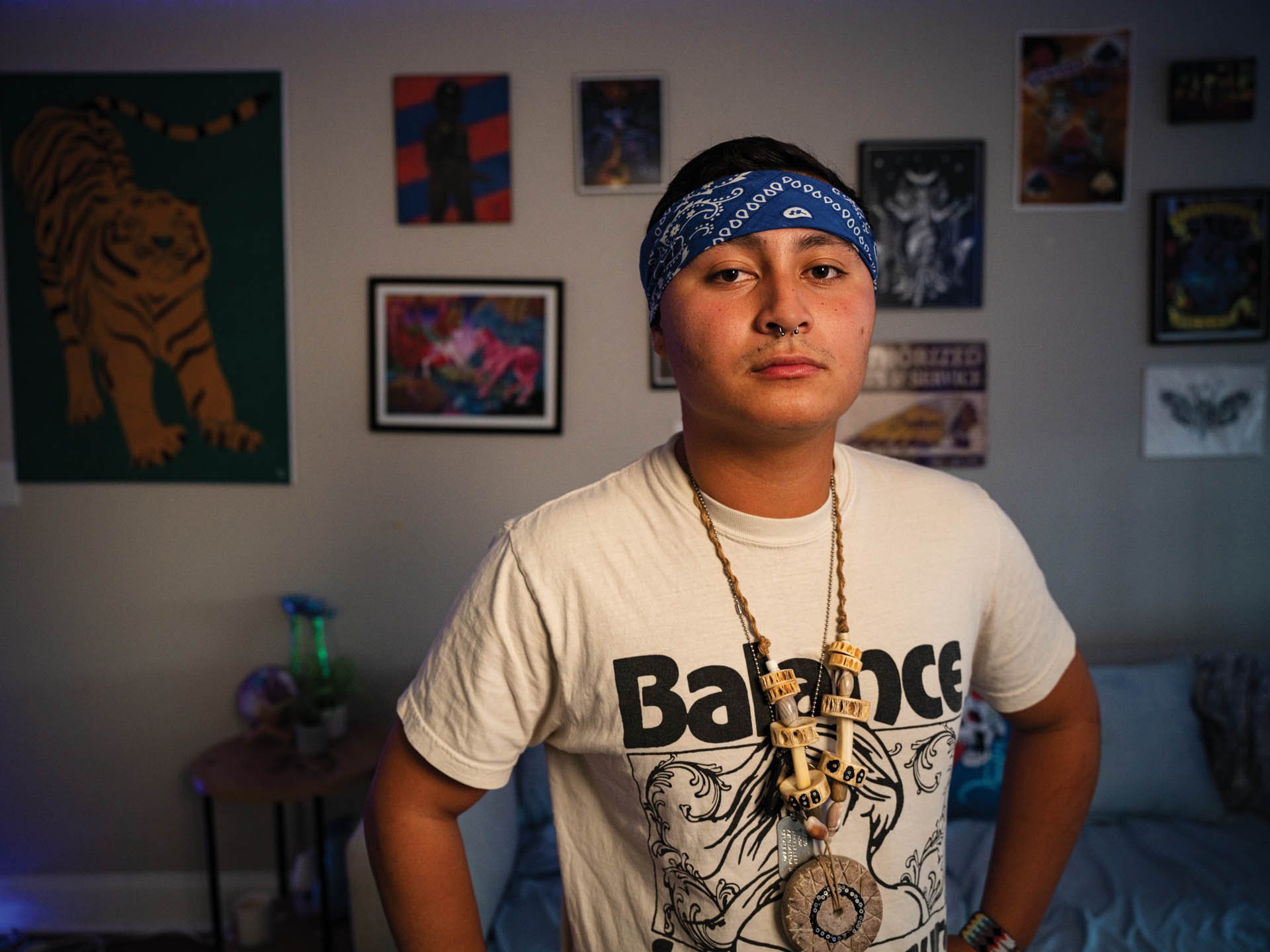
KAEDYN RION (BALATIK) HERNANDO CLEVELAND
he/him
FAMILY ORIGIN
EDUCATION (CURRENTLY ATTENDING)
ARIZONA STATE UNIVERSITY
ACHIEVEMENTS
NAVY ACHIEVEMENT MEDAL,NATIONAL DEFENSE SERVICE MEDAL,
GLOBAL WAR ON TERRORISM SERVICE MEDAL, HUMANITARIAN SERVICE MEDAL, MILITARY OUTSTANDING VOLUNTEER SERVICE MEDAL
My identity is complex. I am a mestizo who identifies with and honors the many ancestors who have shaped who I am today.
From my mother’s side, I am Filipino with Chinese ancestry. My mother’s maternal line is Visayan: Hiligaynon from Roxas City, Panay, and Sorsogonon from Sorsogon, Bicol. My mother’s paternal line is Iluko (Ilocano).
From my father’s side, I am of multiple European ancestries — Northern European, British, Irish, Scottish, Eastern European, Southern European, French, German, and Greek — and also have African American and Native American ancestry.
PROFESSION
My professional role is walking two worlds by bridging the knowledge of our ancestors—indigenous Filipino medicine and healing ways—with the current system of allopathic medicine to create a more balanced and holistic approach to illness. I work in the U.S. Navy as a Hospital Corpsman (Navy medic) with the rank of Petty Officer Third Class. In this job I serve in various roles, from medical and dental assistant to trauma/field medic. I am also trained and occasionally work as an EMT.
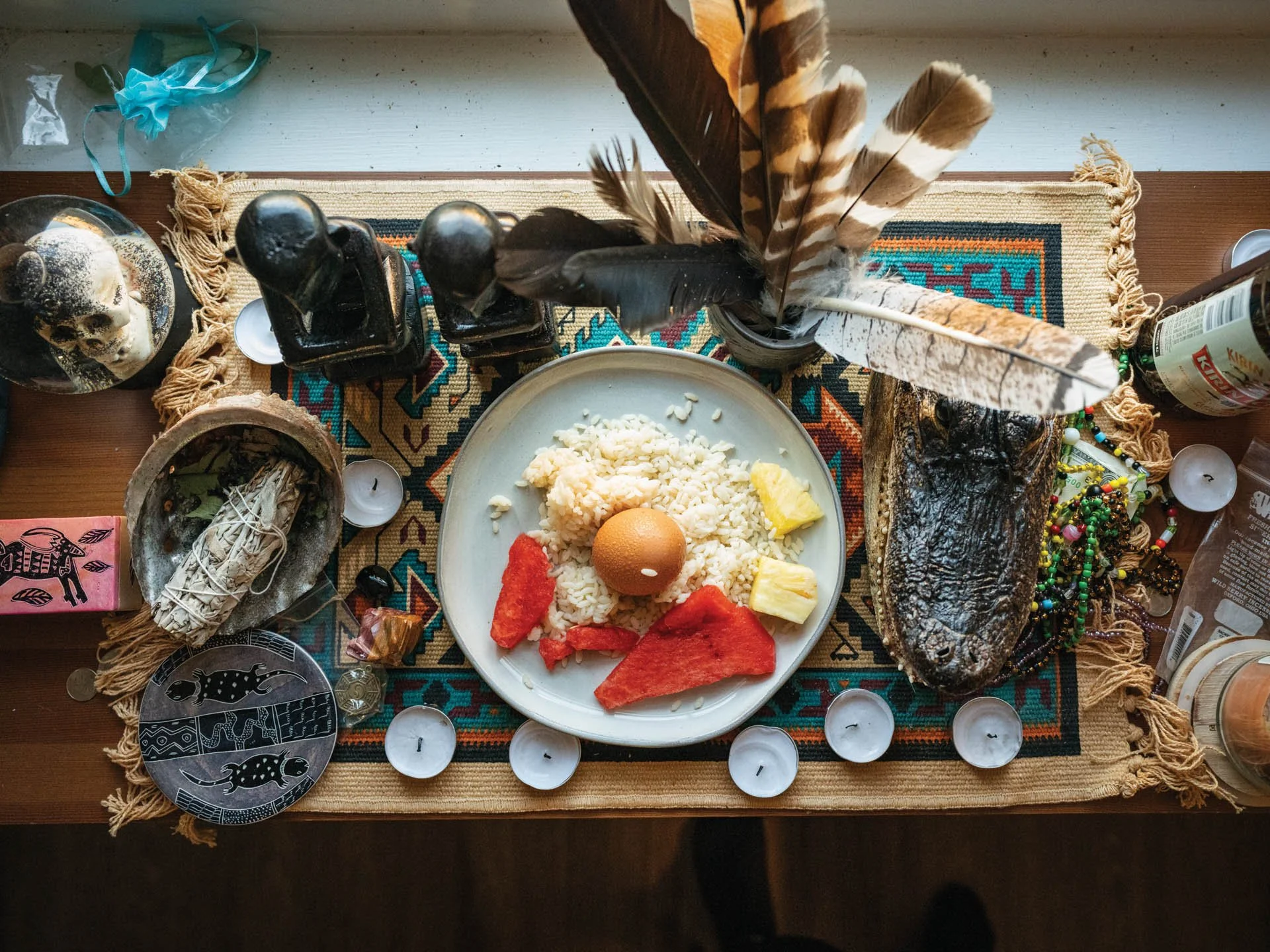
Outside of my professional role, my personal life’s work is devoted to learning and practicing Native American, African, European, and Filipino spiritual healing arts; working with plant medicines; creating lana oil; and continuing to learn the Filipino healing massage, Ablon.
WHAT PART OF YOUR HERITAGE DO YOU HOPE NEVER GETS LOST?
I hope the part of my heritage that never gets lost is our Filipino spirituality and traditional knowledge — not only from my own ethnic group but from each of the ethnic groups we descend from. The spiritual practices we have revived, the knowledge we do have, our Filipino healing arts, the combat ways of Kali/Arnis, the Iloko inabel weaving and pottery, and the knowledge and practice of batok: these are the very foundations of who we are as Filipino people, which I don’t ever want to get lost and hope gets passed down to future generations. It’s from our spiritual practices that we draw the strength we are searching for and the part of us that feels disconnected from being Filipino, that desires something greater than ourselves. I know especially here in the diaspora we need that connection even more because of generational loss and the disconnect of not belonging after leaving our motherland. I also want to acknowledge that our knowledge of precolonial ways has been largely broken and some of it was lost through colonization, but it is being brought into the light by the amazing work of many people. If we don’t do the work in this generation to truly contribute to reviving it, I fear it may be lost for good.
IN WHAT WAYS DO YOU STAY CONNECTED TO YOUR FILIPINO ROOTS?
I stay connected to my Filipino roots not only by practicing Filipino pre-colonial practices and healing arts, but also through wearing my traditional markings, or batok. My traditional tattoos remind me daily of the connection I have to my roots, with all the prayers guiding me and giving me strength on my journey through life. It is through this that I know who I am and the ancestral lineages that came before me. It gives me a deeper connection with my Filipino roots; I do not take wearing traditional markings lightly and think of it as taking on an obligation greater than oneself. My connection extends beyond me to my people and community so that our Filipino ways will continue to live on, our culture will not be forgotten, and the knowledge we work hard to revive will be preserved and passed on to future generations.
WHAT’S YOUR FAVORITE FILIPINO CHILDHOOD MEMORY?
My favorite Filipino childhood memory is our gatherings or get-togethers growing up. We would have relatives and our neighbors come over a lot for the Pacquiao boxing matches or UFC fights, holidays, or for no other reason than to celebrate. I remember how there was always food being brought by everyone—typical dishes like pancit and lumpia, buckets of fried chicken, and the smell of cigarette smoke outside from the uncles. I also remember, during these get-togethers, the laughter, the karaoke, and the sound of Tagalog conversations throughout the house. I am so fond of this memory because of how much love and community there was in coming together, which captures the essence of being Filipino.