

JESSICA MELENDEZ BAYUGA
PROFILES
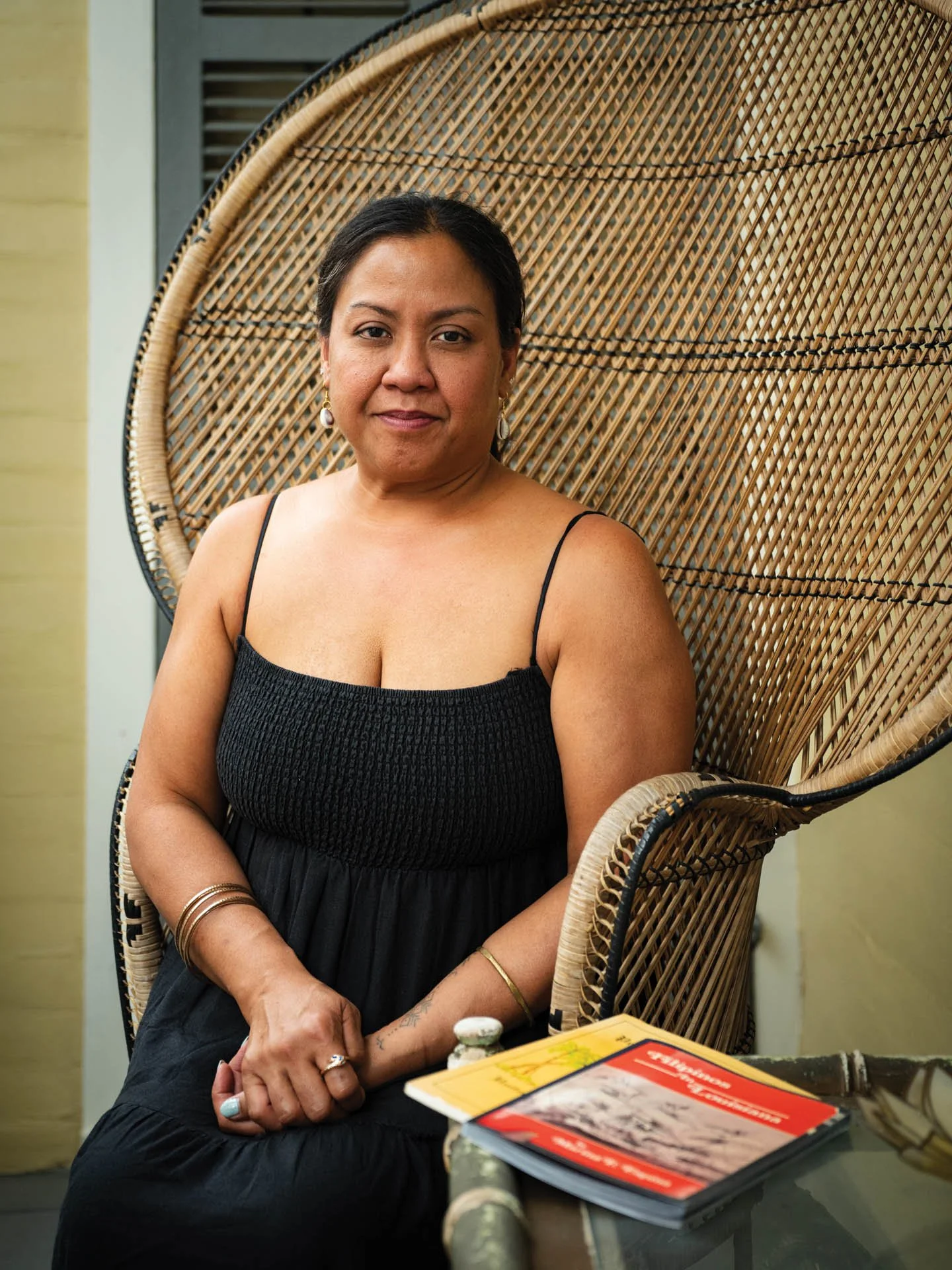
I’m a proud Pinay with deep connections to both America and the Philippines. Living in the south where the first Filipino settlements were declared, where I grew up learning and cultivating my Philippine culture wasn’t easy. There was only a small group of Filipinos left in Louisiana, but the families continued to hold on to our customs while forcing my generation to assimilate to American culture. The balance my family instilled in me was to take pride in my Filipino customs, values, and the color of my skin. Being 3rd generation, my parents later regretted not teaching me Tagalog/ Pangasinan, but through the years I’ve picked up on the different dialects of my family. We visit the Philippines often, and my love for being Filipino was to change the lens on how Americans relate to Filipinos and viceversa--bridging our cultures by allowing those values to enrich the larger society.
I couldn’t deny my identity in the south. I could only follow what my mother and mother-in-law instilled in me, and that’s the challenge of creating a life rooted in our history and heritage in the deep south. I try to create inclusive spaces for Filipino voices to feel safe and represented. As a registered nurse, I take pride in introducing our culture, our caring heart toward human regard, and our positive attitude by strengthening Philippine-American community; changing the minds of a community ingrained in ignorance during their vulnerable times.
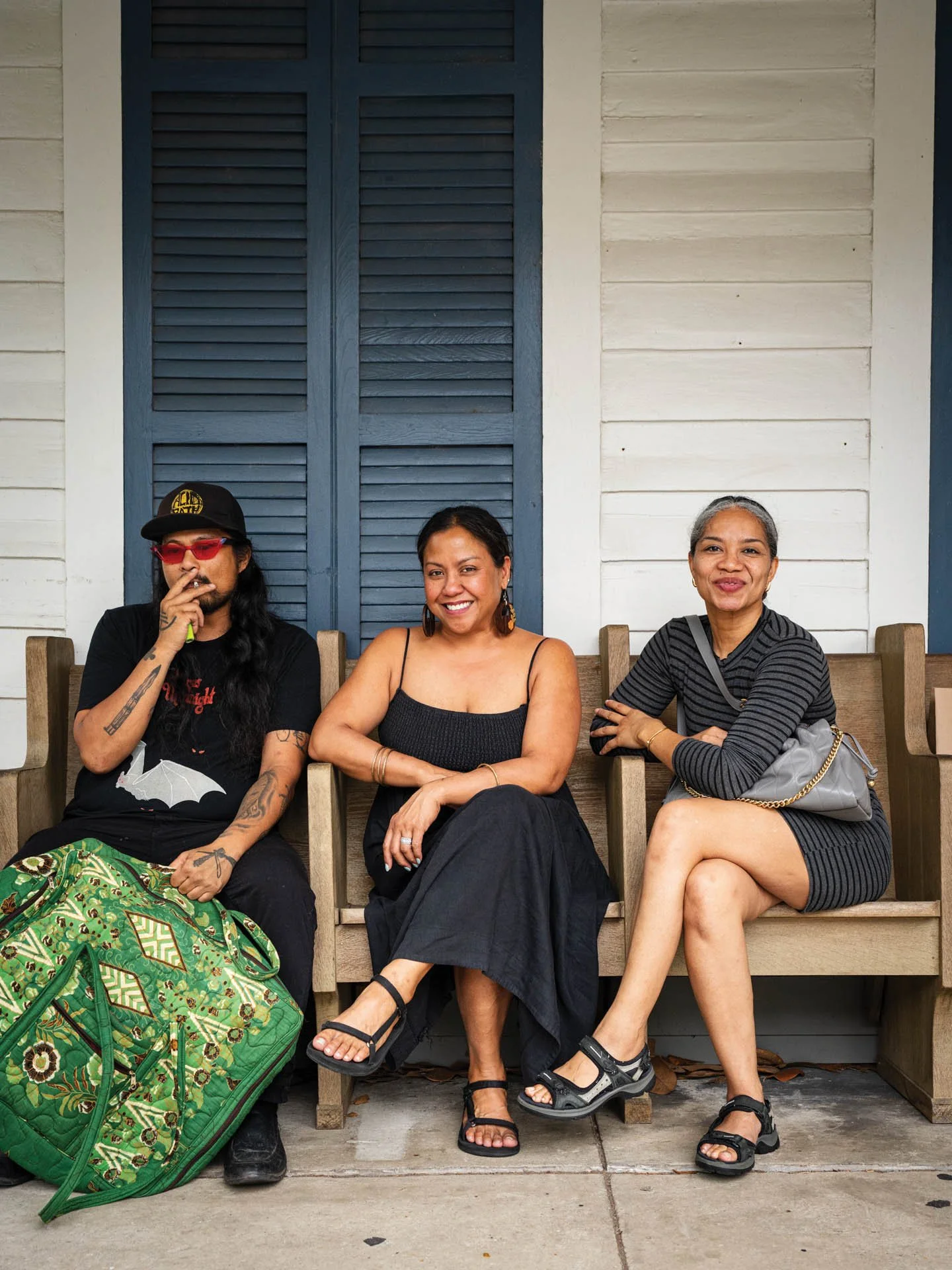
she/her/siya
Family origin: DAGUPAN, PANGASINAN, PHILIPPINES
Education: LOUISIANA STATE UNIVERSITY
I AM
Registered Nurse
Community Organizer
in New Orleans Philippine-American Women’s Association of Louisiana (PAWAL) / Bayou Barkada
Philippines Culture Bearer in Louisiana
Philippine American Women’s Association of Louisiana
HOW DO YOU IDENTIFY WITH FILIPINO CULTURE IN YOUR EVERYDAY LIFE?
I live and breathe Filipino culture! As one of the mid-elder Filipina Americans in New Orleans active in community, I act as a bridge between the generations of Filipinos and Filipino-Americans. I strive to inspire others to do their best fulfilling their dreams as a Filipino-American in the safest way. I feel my role in life is to empathize with the Filipinos entering the U.S. and creating support with constructive and open positive dialogue that aligns with their vision. The Philippine-American Women’s Association of Louisiana (PAWAL) creates spaces with a supportive matriarchal lens for the community. By building an inclusive and safe environment through the sharing of food, history, storytelling, dance, art, cultural/ educational workshops, book clubs, and genuine values of bayanihan. By cultivating an atmosphere of trust and belonging and encouraging a sense of pride of being Filipino with others takes so much effort. I try to encourage all generations to support one another by empowering themselves in creating a positive and lasting change for our community. My Filipina-American identity in a place where there aren’t many Filipinos is my Superpower. By honoring my ancestors and their resilience, allows me to continue carrying our heritage, and their intentions will not end with me.
HOW WOULD YOU DESCRIBE THE FILIPINO COMMUNITY IN NEW ORLEANS?
We’re a small group of Filipinos. Most are both descendants of the earliest Filipinos, former Embassy workers, nurses, teachers, military, hospitality workers, or here by marriage. New Orleans is a city in constant existential crisis and our communities are like the Philippines. Separated by bodies of water, judged by islands and location, and ruled by corruption. A city where life is fragile and uncertain. A culture that you feel meaning is not given, but constantly rebuilding—and just as easily lost. We are constantly reminded of this. However, we are a culture unified by food, music, art, marginalized empathy, and our southern hospitality. Bayanihan is strong when communities are aligned and transparent. When resilience, sharing, and celebration are the only ways to survive.
WHAT’S YOUR FAVORITE FILIPINO CHILDHOOD MEMORY?
When I was in 4th grade, in a suburban city on the other side of the Mississippi River, called the Westbank, I was the only Filipino in my school. It was during that time I learned of Colorism.
My 4th grade teacher always asked me to do things for her. I thought I was her favorite because she knew I would proudly do what she asked and do it right. She was always affectionate with me. Always giving hugs when she saw me. Her nickname for me was “Brownie.” A name she called me because she said I was sweet and for the color of my skin. During a parent-teacher conference, I witnessed my mom proudly shame my teacher because she called me “brownie,” because what she was doing was bringing attention to the color of my skin in school and using me as an example of “the help.” My teacher apologized to us. Not knowing her discriminating actions were wrong. My mom just laughed at her, and after that she never called me “brownie” again.
On the same day, my mom had to meet with one of the new Philippine dignitaries in Louisiana, a distinguished porcelain skinned woman, who looked me up and down, grabbed my face and called me a pretty Morena. She told me, “Stay out of the sun if you want to be taken seriously in this life.” My mom also shamed her saying, “You’re not in the Philippines. You’re in America. We don’t do that here.” I was so proud she was my mom that day.
That day changed my whole perspective on life, my self-respect and identity. That day I
understood the colonial influences created by society. And that day, I fully embraced my pretty Morena skin as a symbol of my Filipina indigenous pride. I am always outside feeling the warm embrace of the sun.
WHAT MAKES THE FILIPINO COMMUNITY IN NEW ORLEANS UNIQUE COMPARED TO OTHER CITIES?
I’ve been wanting to leave the south my whole life, but I’ve traveled the world and I would always end up planting my feet here because there is no other city like New Orleans. There is no other multicultural city where communities share their lives with respect and through celebration for survival while facing constant turmoil. Like the Philippines.
Many Filipinos I host, who say they are called to New Orleans, end up living here or visit often. It’s a city that allows Filipinos to be their authentic selves; to do the things they’ve always wanted to do towards their purpose and allowing themselves to live without judgment or criticism—to belong. We like to call our barkada, feral Filipinos. We are instinctively wild and human, and we know how to survive together with support and celebration—always showing up.
We are our own Filipino-American culture.