

ANIKA ABUEG MORRIS
PROFILES
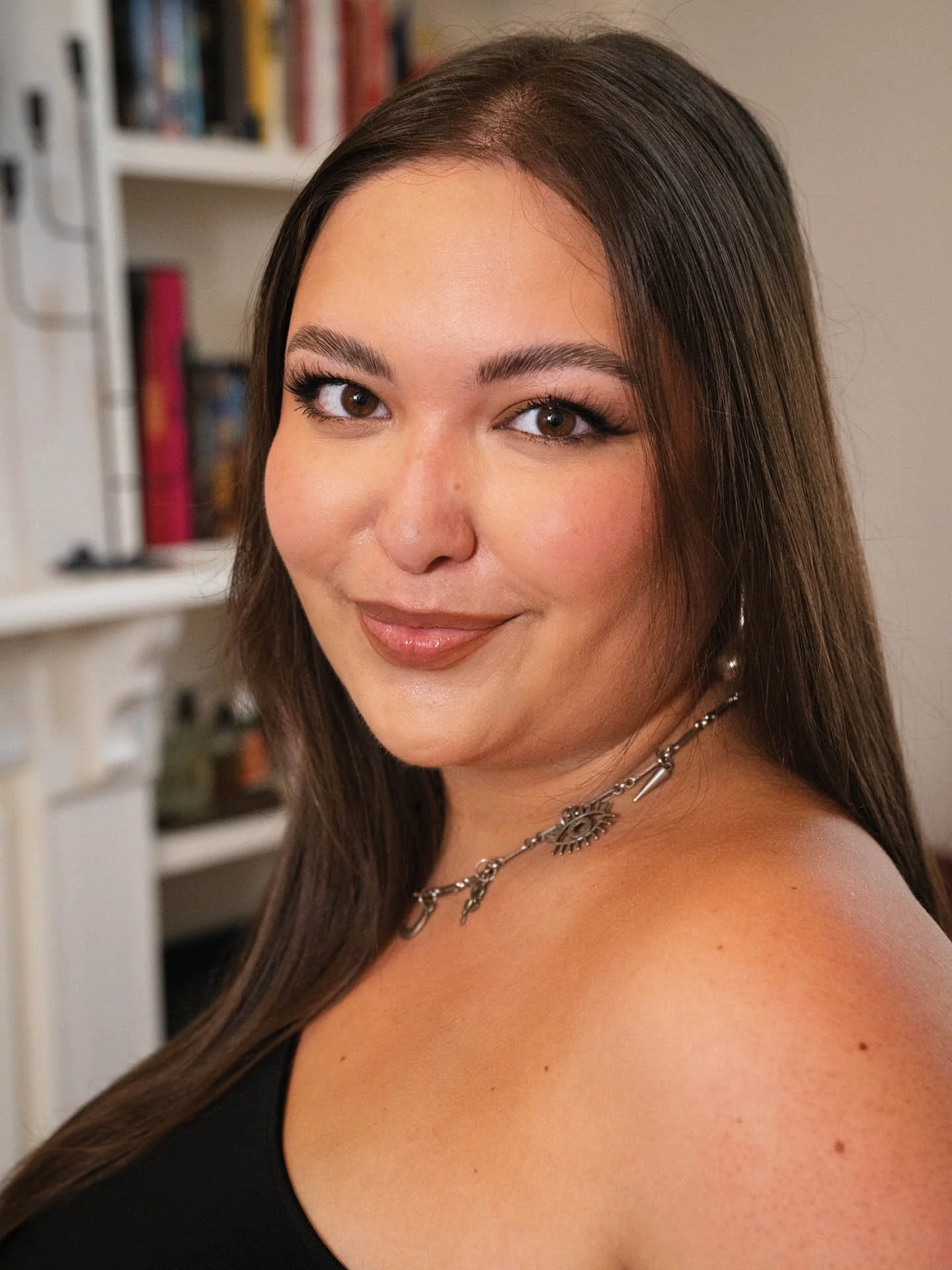
ANIKA ABUEG MORRIS
PERSONAL ASSISTANT & PAWAL BOARD MEMBER
PHILIPPINE AMERICAN WOMEN'S ASSOCIATION OF LOUISIANA
she/her
FAMILY ORIGIN
ZAMBALES & CAPIZ
EDUCATION
B.S. APPLIED COMPUTER SCIENCE, MINOR MOBILE DEVELOPMENT
DOMINICAN UNIVERSITY OF CALIFORNIA
ACHIEVEMENTS
2016 ALAMEDA COUNTY POETRY OUT LOUD CHAMPION
LAST YEAR I WAS MEETING A NEW FILIPINO FRIEND AND DESCRIBED MYSELF WITH MY USUAL LINE: “I’M HALF FILIPINO AND HALF WHITE.” AND HE SAT FOR A SECOND AND SAID, “YOU KNOW, I DON’T LIKE WHEN PEOPLE SAY, ‘YOU’RE HALF THIS AND HALF THAT.’ NO, YOU’RE ONE HUNDRED PERCENT OF BOTH.” I’M SO GLAD HE SAID THAT, BECAUSE IT CHANGED HOW I THINK ABOUT MYSELF.
While the roots of Filipinos in New Orleans go deep, the Filipino community here isn't huge. I think because of that, we're a tight knit community who are all invested in each other's success and the preservation of our stories. We have community members whose stories here start last year and those whose stories here begin in the 1800s, which allows us to have conversations about what it means to be Filipino and what it means to be a New Orleanian, and find the aspects of each that will always bring us together. There's a lot of overlap between the struggles of Filipinos and New Orleanians: corrupt governments, histories of colonization, and facing devastation from climate change, just to name a few. And there's also a lot of overlap between the things that make both so beautiful: a focus on family, a love of food, a love of music, the way communities step up to fill in the gaps that governments leave behind. Our kinship with this land and its people runs as deep as the Mississippi, as Barataria Bay, as Lake Borgne. There's a magic here that is difficult to explain without experiencing it, and I hope more Filipinos will come to experience it for themselves. You're sure to be welcomed with open arms. I know that because I was.
In everyday life I identify with Filipino culture by being in community with other Filipinos. Some aspects of a culture can be sustained while alone, but a culture's heart only truly beats when people come together. Bayou Barkada and PAWAL hosted a sari-sari social at Tsaocaa NOLA recently, and it felt like a family reunion. There was ensaymada, pandesal, hopia, dancing to budots, spaghetti, otso-otso, kids running about, and Tagalog swirling around the entire space. I don't speak the language, but just hearing it and picking up a word here and there felt like being wrapped in a warm embrace. Afterwards some of us went to Ate Jessica's for a pool night. We sank into the saltwater, chismis-ing until the early hours with drinks and laughter reddening our cheeks. The best part is that this isn't a rare occurrence. We share our joy together, our struggles together, our grief together, and our successes together, and when we are together is when our culture is truly alive.