NEW ORLEANS
There is something unsurprising about visiting the land where the first Filipino settlement in America was founded.
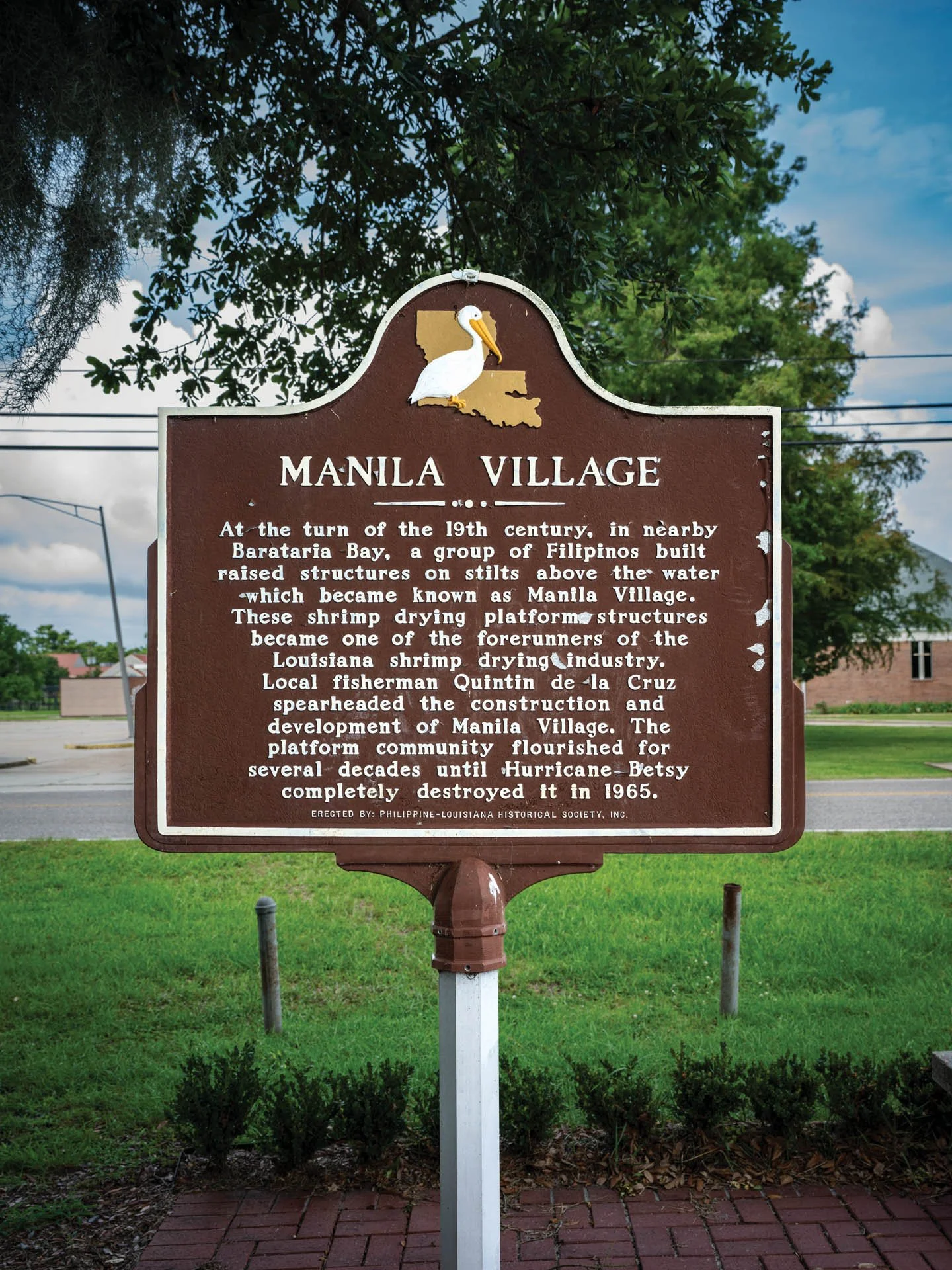
Though amazing to learn, I was equally unsurprised by the fact that the dried shrimp industry originated from this very settlement. From Manilamen. In trying to understand my lack of surprise, I came to believe there was something ancestral within me that already knew what I was only beginning to understand: of course this is where we would first call home.
Climate-wise, it makes sense. The proximity to water makes sense. Actually building the village on the water makes sense.
I imagine the conversations between the Manila Men discussing jumping ship weren't very long. I imagine they saw a land that resembled the land they so deeply longed for, and the decision to settle here didn't require many words.
Eight-plus generations later, New Orleans is still very much home for Filipino Americans.
Memories live within the sounds of footsteps on the sidewalk. The sounds of Filipino gatherings and parties still echo off the walls of community centers and community homes. There is something here that feels lived in. Something familiar. Something that feels like it has always been here.
It's as if our ancestors are confirming to newly arrived Filipino Americans that they are right where they should be.
Home.
Place and people.
People and place.
There is a connection here that may only exist in New Orleans. In Louisiana.
A connection between the people and the place, between those who first arrived and those who continue to arrive. Between generations separated by hundreds of years who somehow found themselves drawn to the same water, the same climate, the same feeling of familiarity.
It's a connection that can begin to be felt through the stories in our first New Orleans issue.
But one that can only be fully understood by being in New Orleans, with our people.
Home.
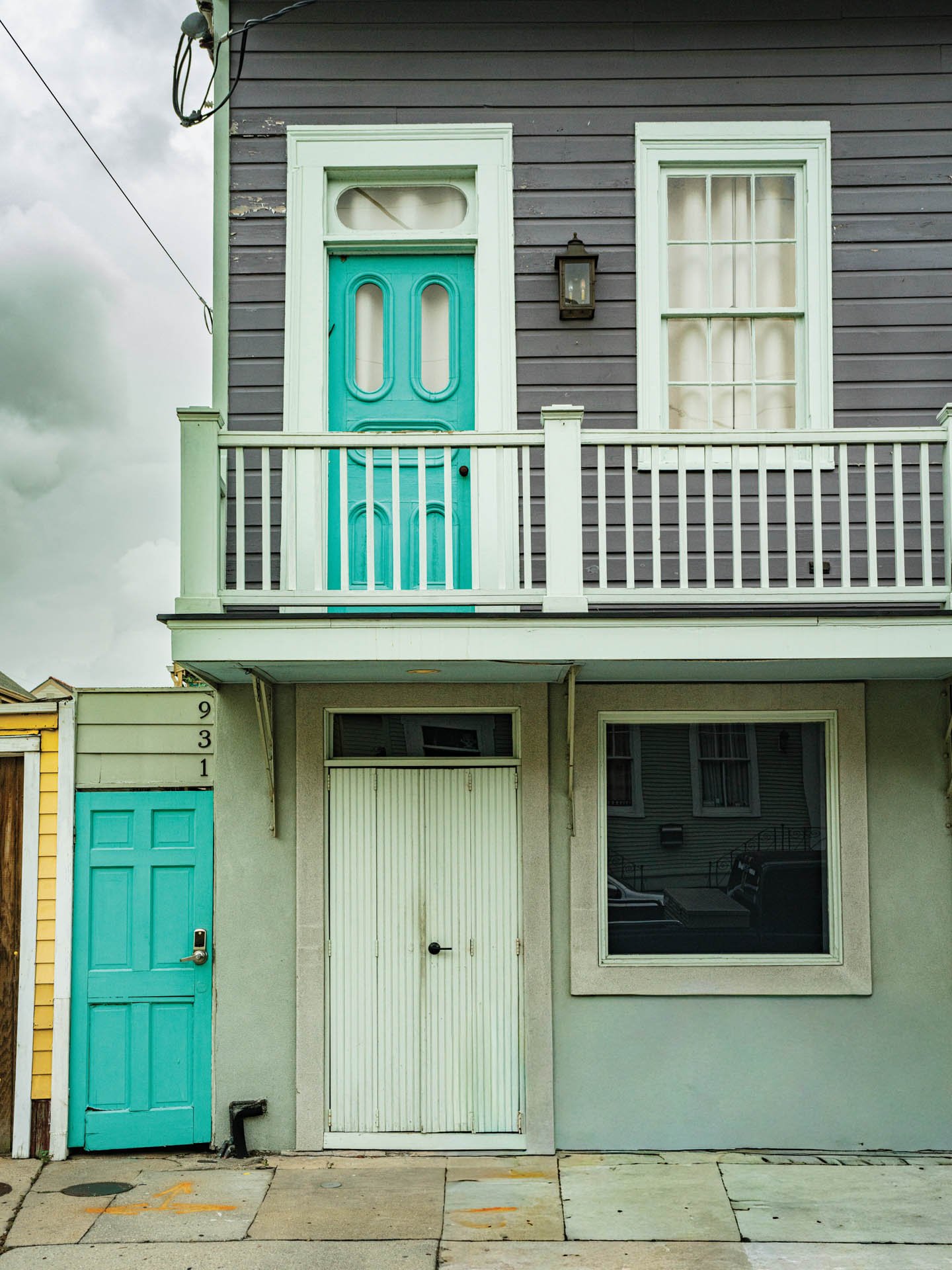
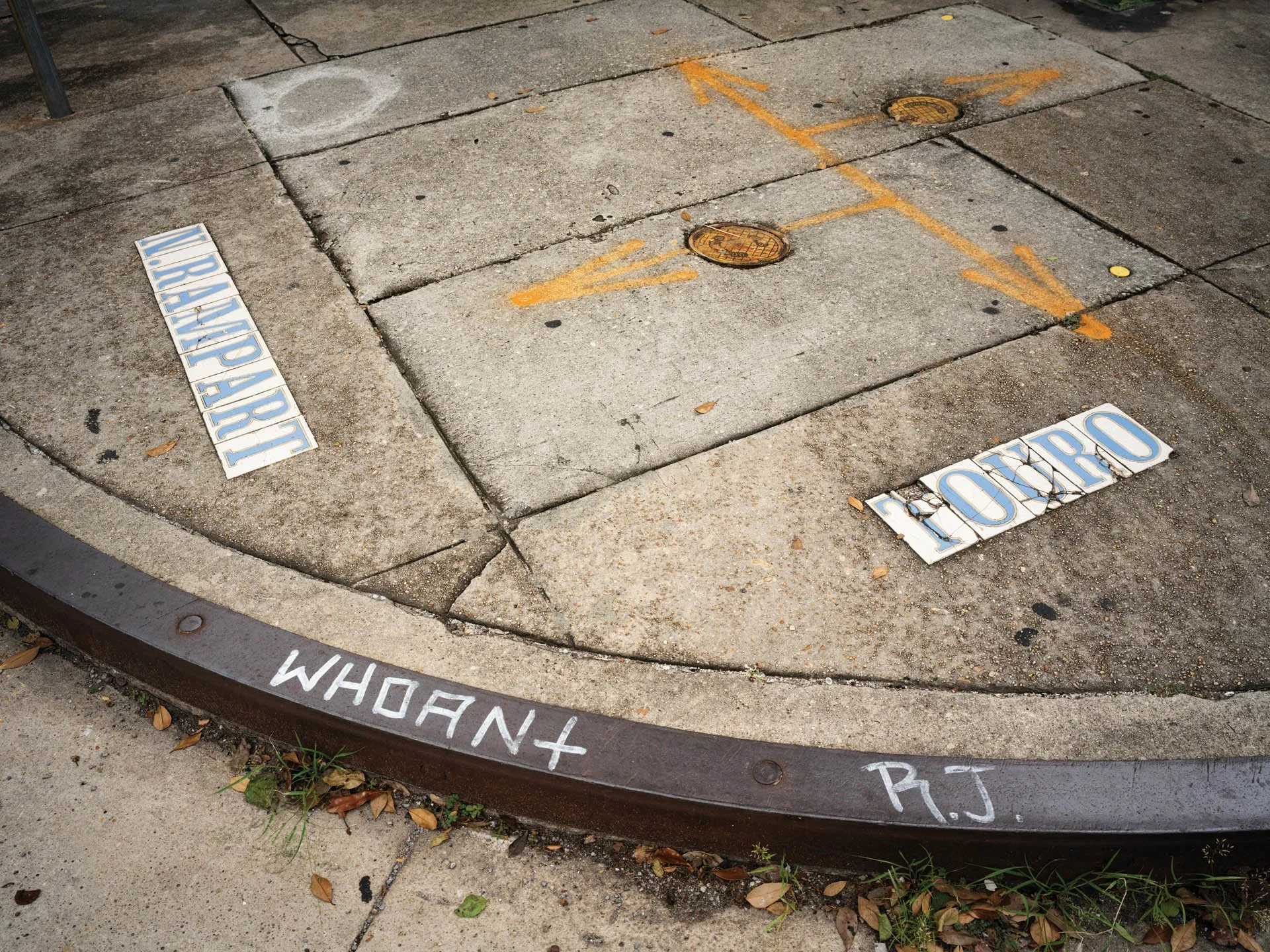
AN OLD BLUE HOUSE AT NORTH RAMPART AND TOURO
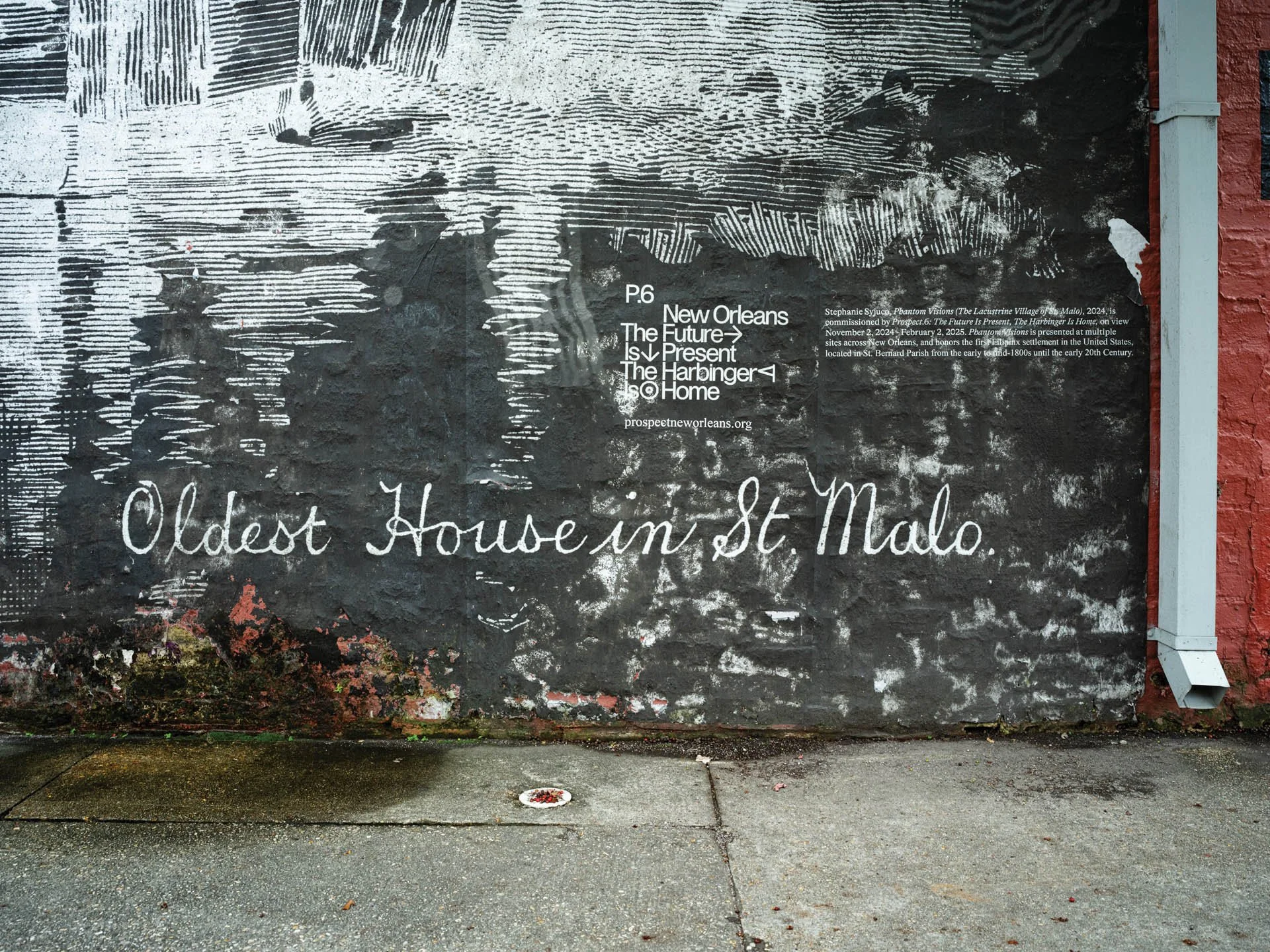
sits quietly within Faubourg Marigny, a neighborhood once filled with Filipino gathering spaceslike the Filipino-American Goodwill Society—“The Flip Club”—and the Filipino Colony Bar. Places where music played, stories were shared and community found one another. The gatheringsmay have moved on, but the neighborhood still carries their echoes—another chapter in aFilipino Louisiana story that reaches all the way back to St. Malo.
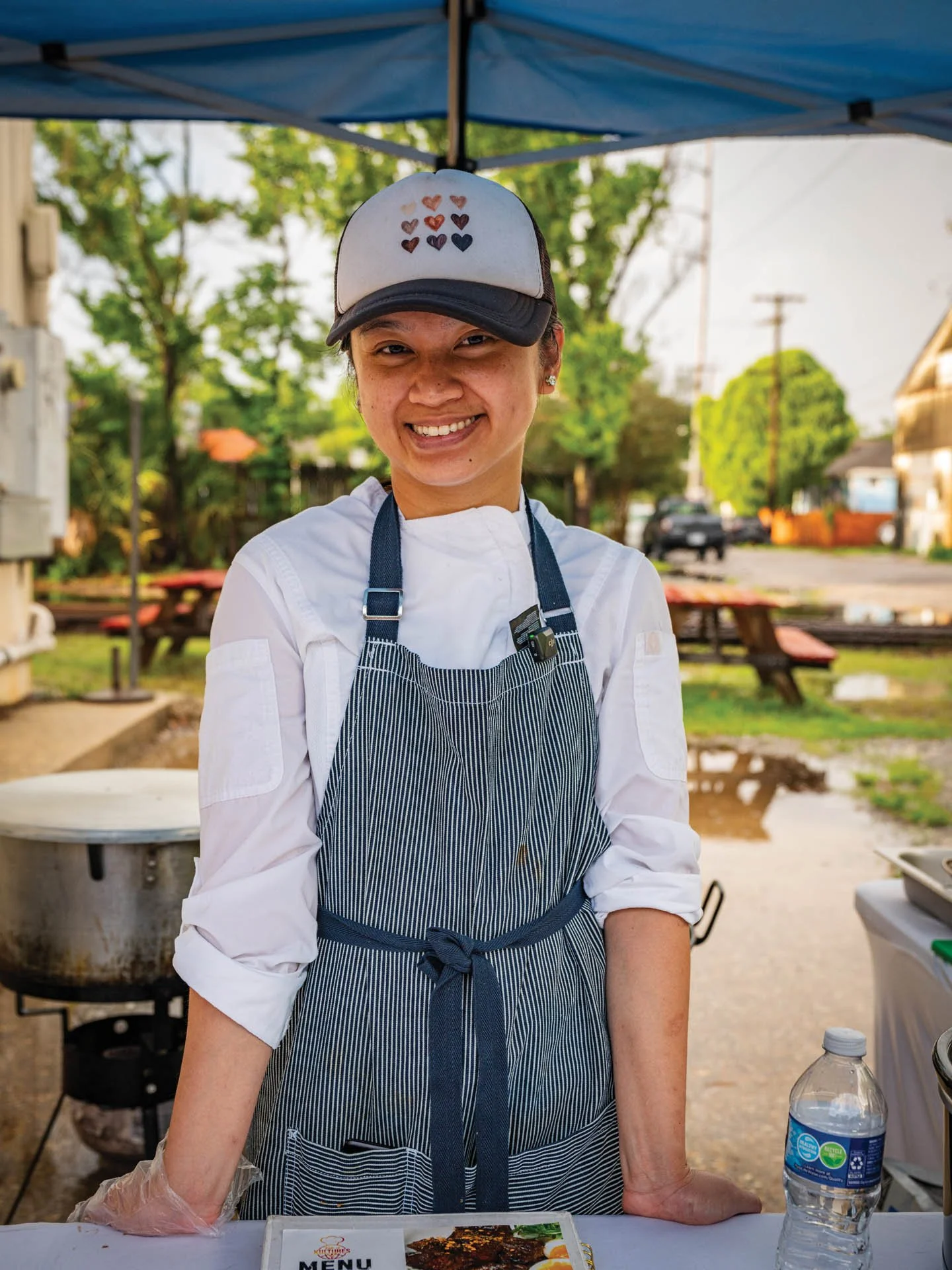
TASTE OF KULTURES
founded by Chef Jerry Chapman, is a celebration of Filipino culture through food. With a passion for sharing the flavors and traditions of the Philippines, Chef Jerry creates Filipino inspired dishes that honor her heritage while bringing a fresh, creative perspective to the table. From comforting classics to inventive specials, Taste of Kultures invites guests to experience the warmth, flavor, and rich cultural traditions of Filipino cuisine.
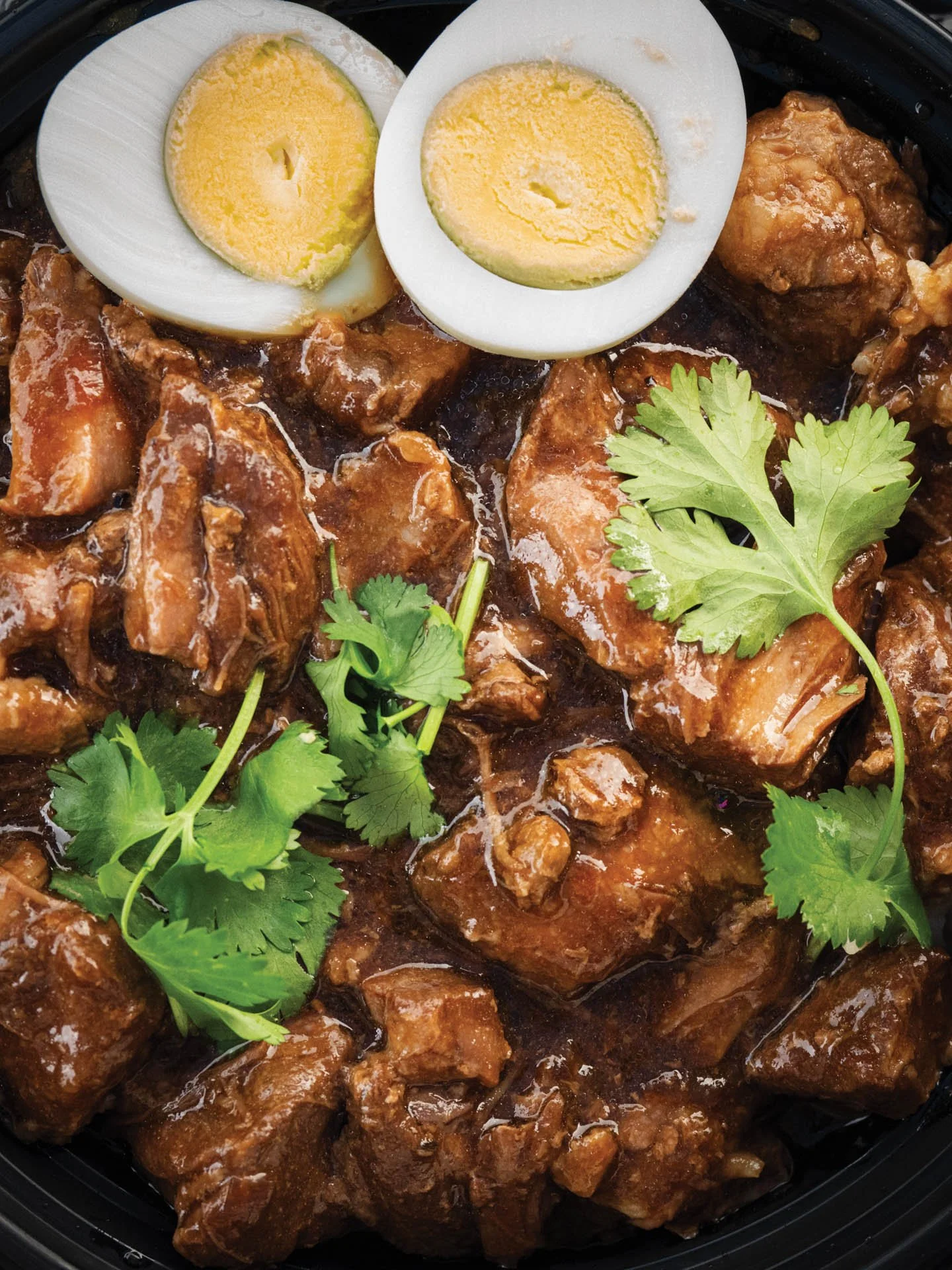
BÁRBEKYÚ
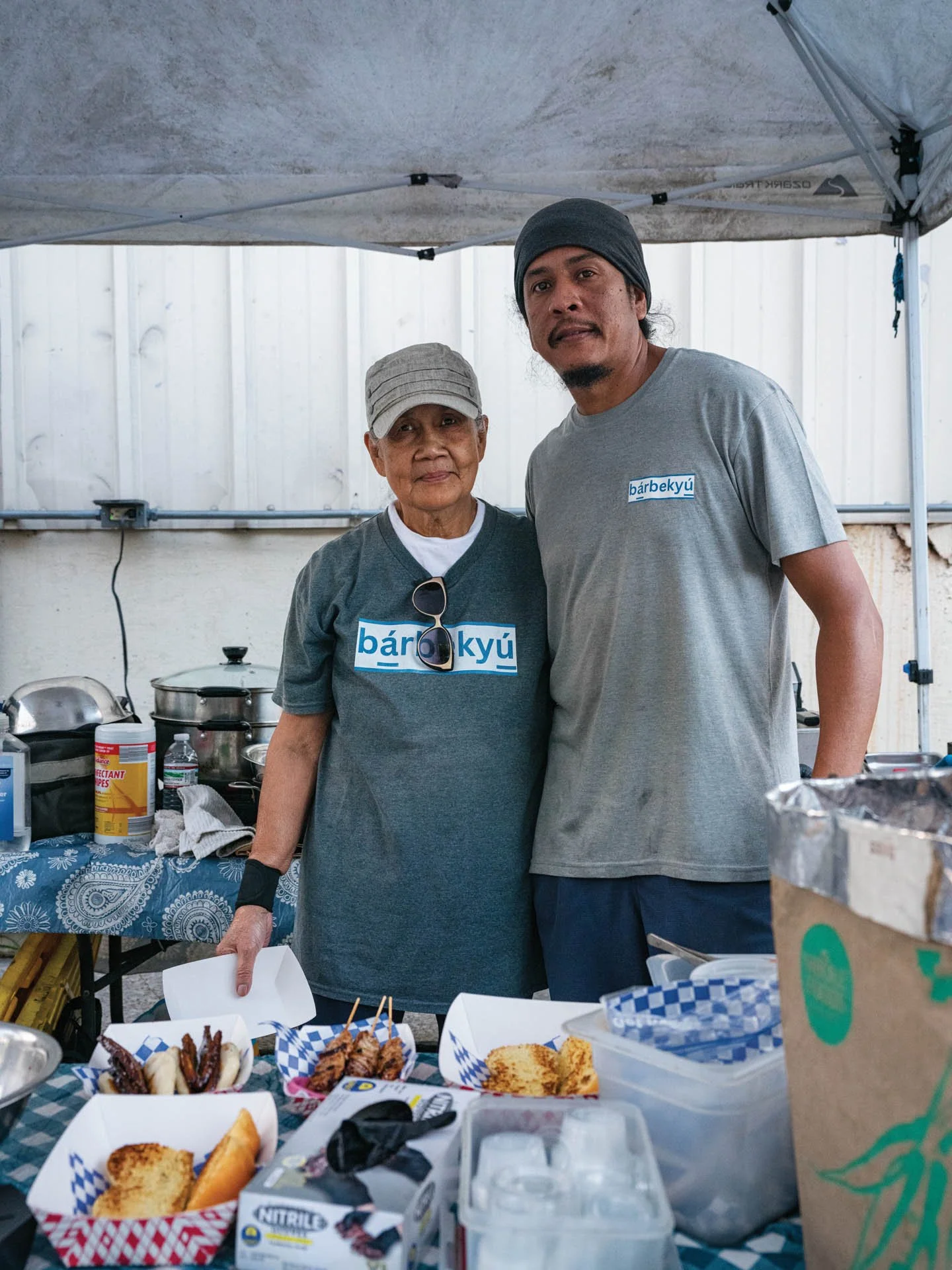
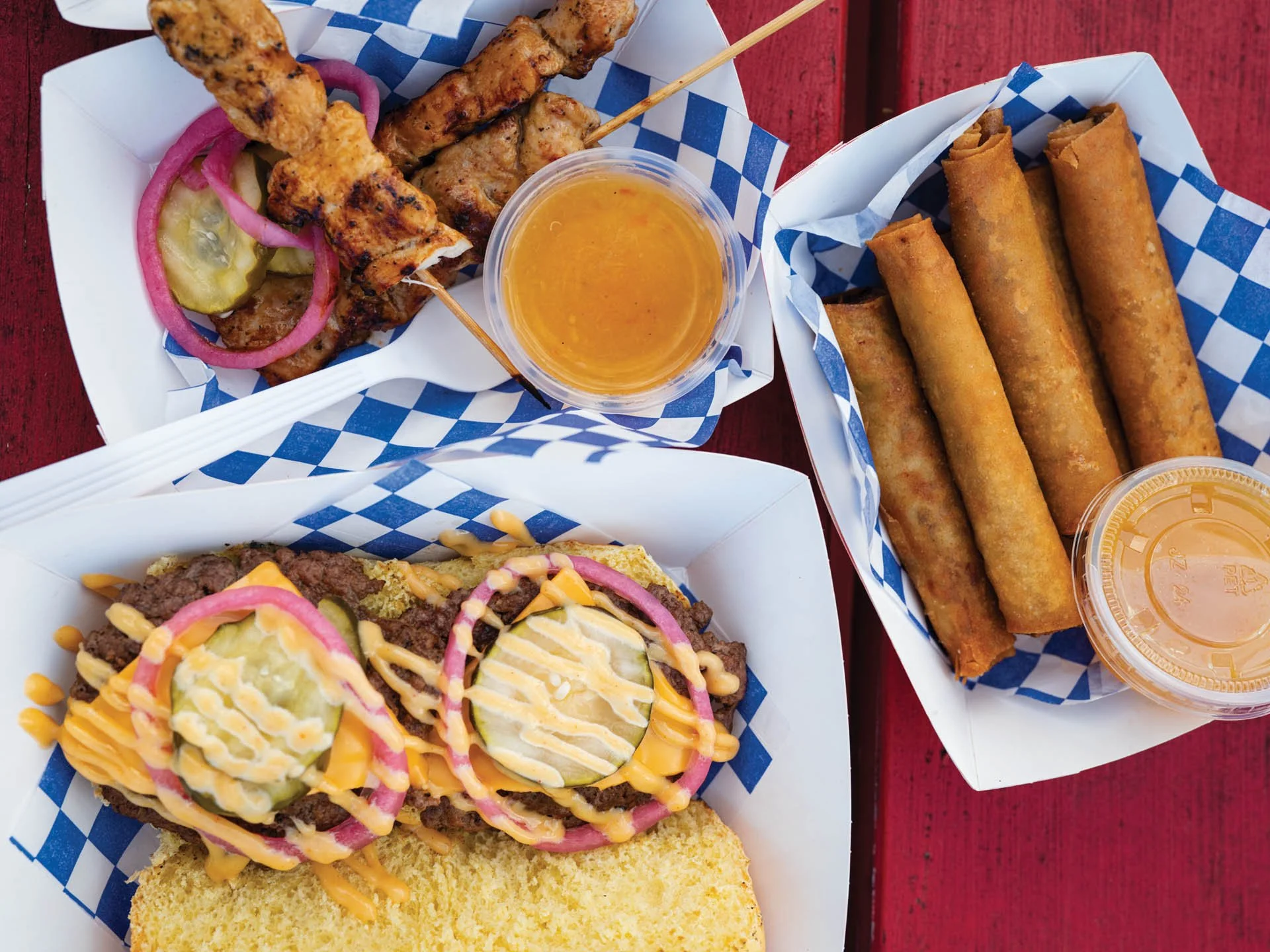
founded by mother-and-son chefs Chef Tita Anita Green and Chef Marlon Green, is a celebration of Filipino heritage, Southern barbecue, and New Orleans culture.
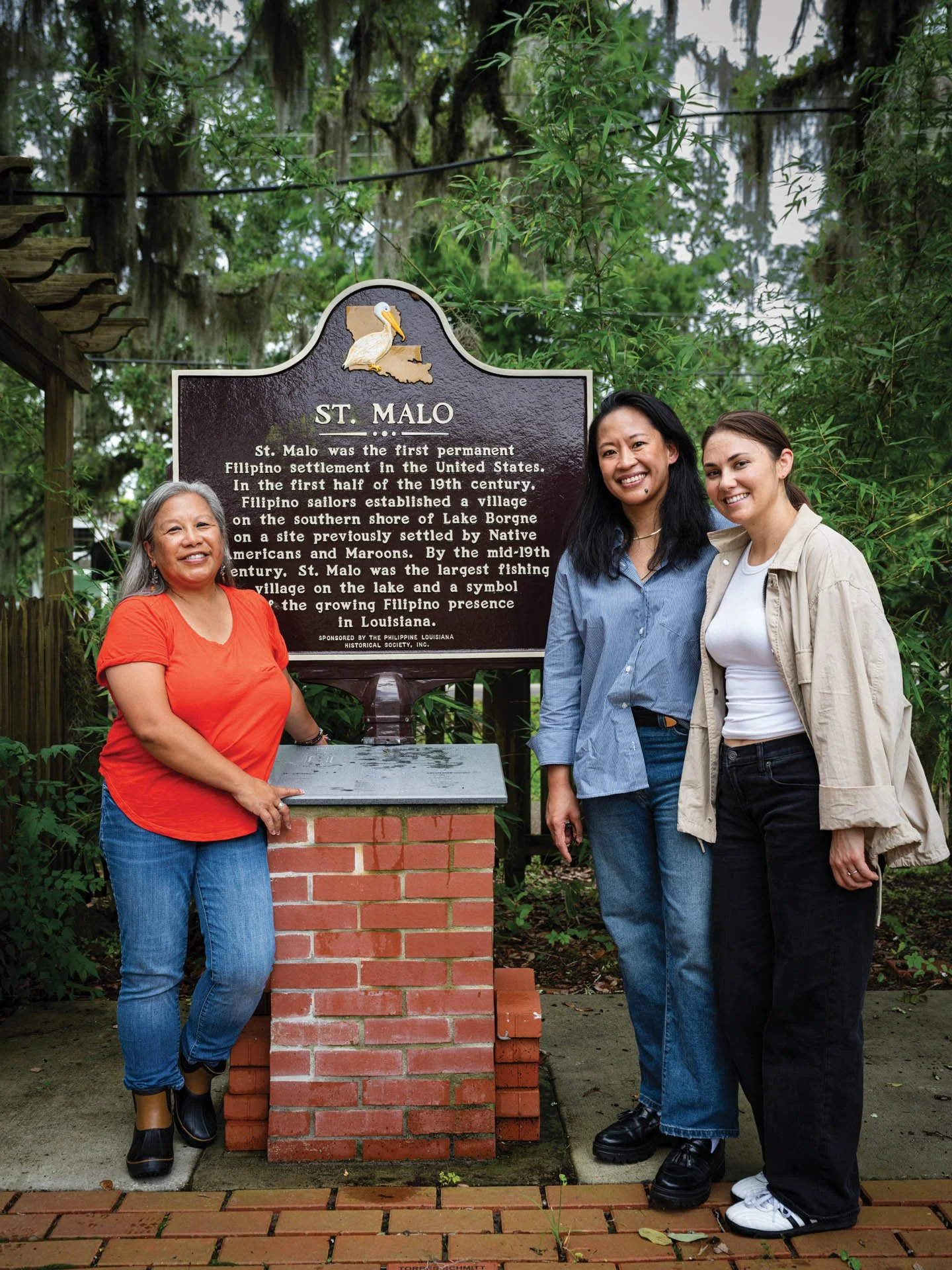
ST MALO
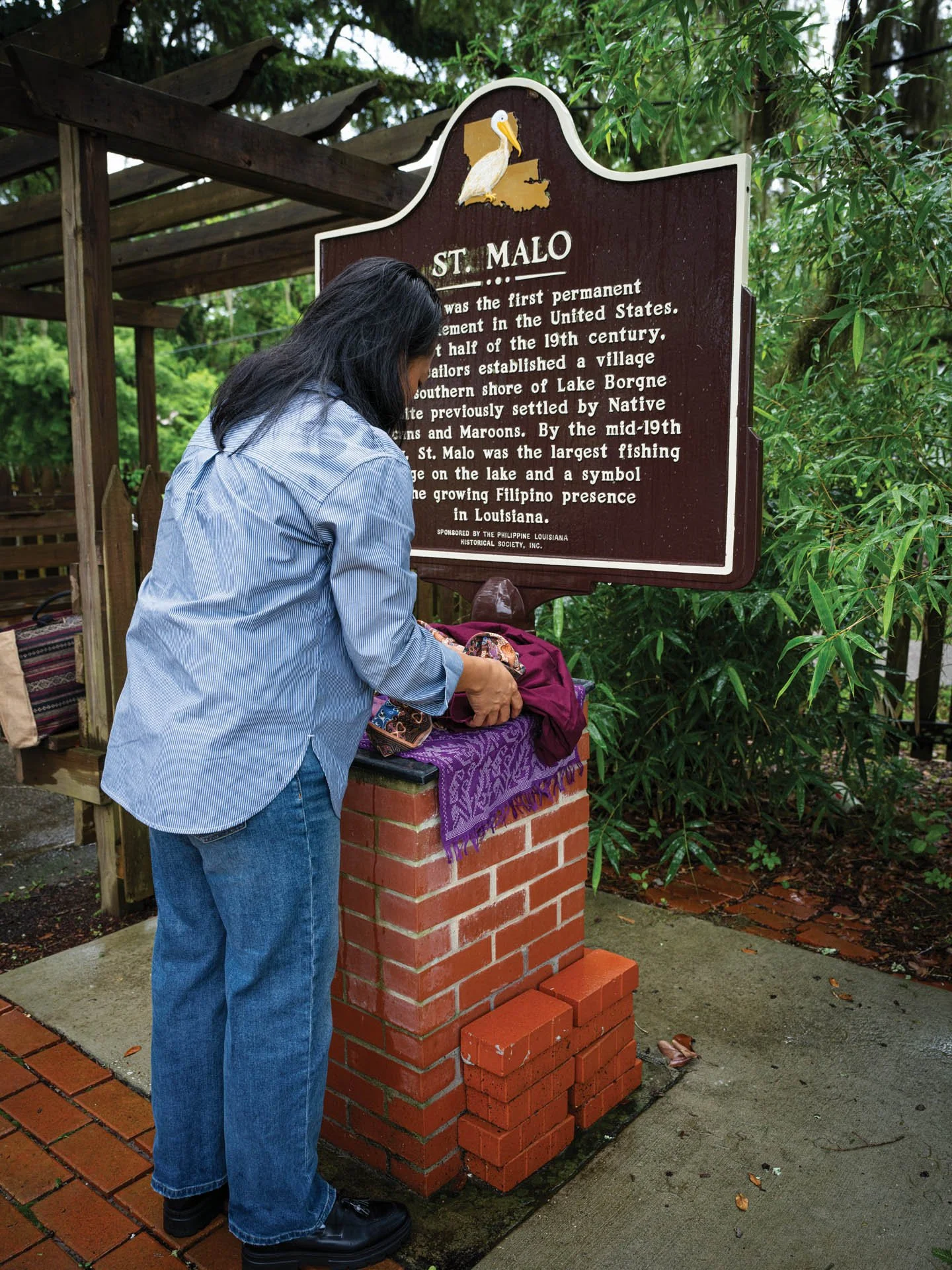
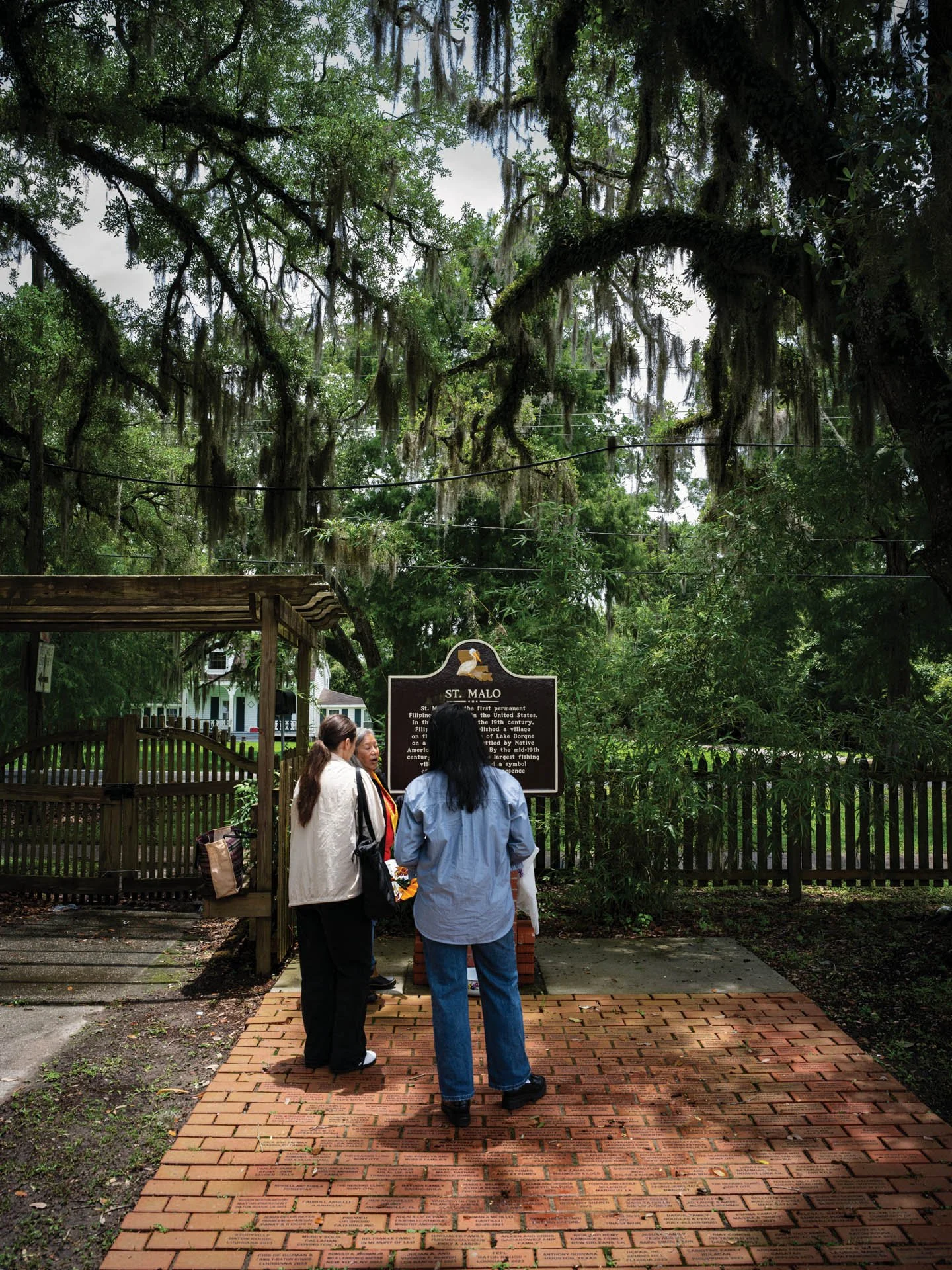
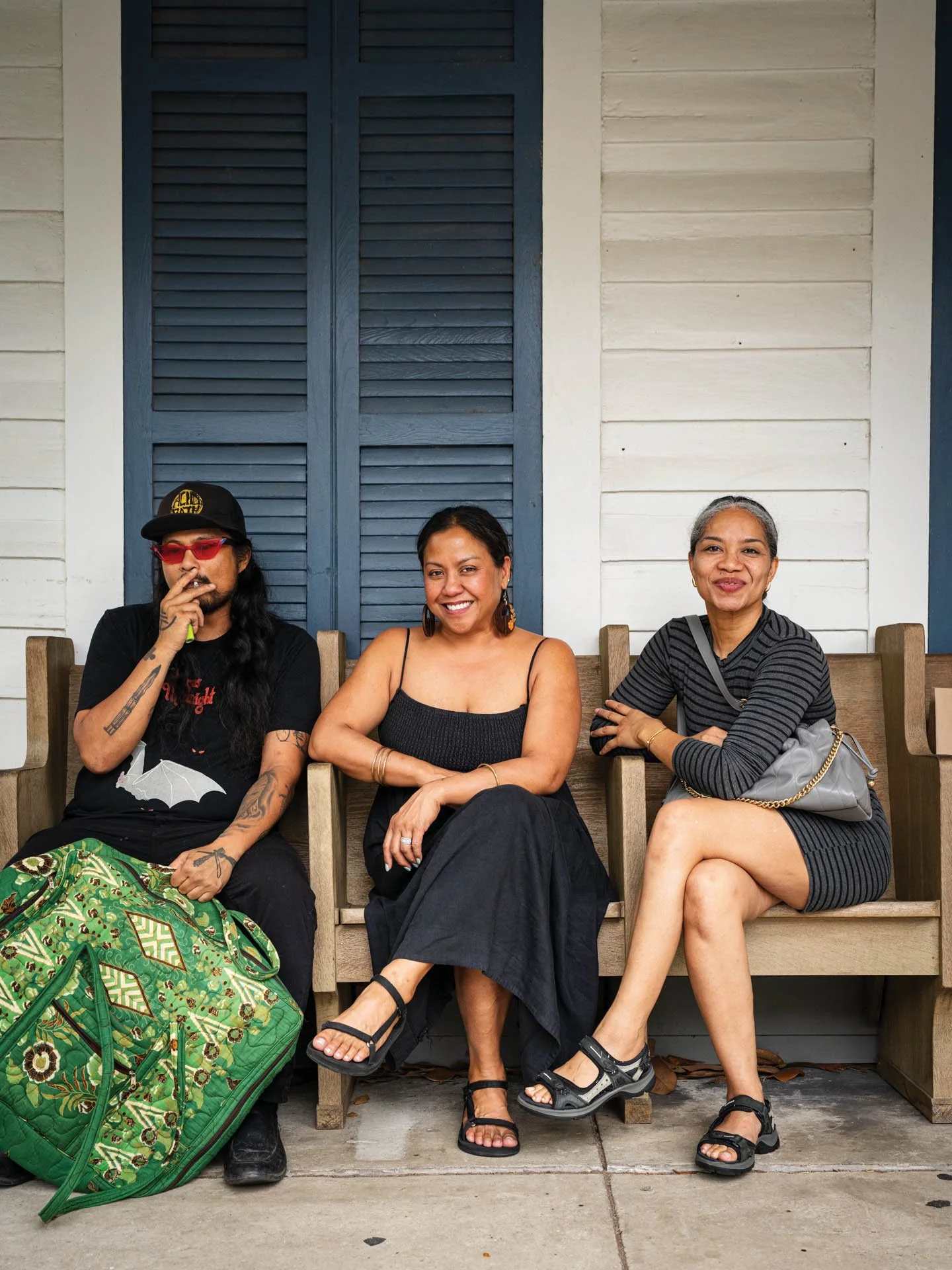
Sometimes community connection feels a little too perfectly timed to be coincidence. New Orleans magic—and maybe a little ancestral direction—brought Filipinotown Magazine, Chef Aisha Ibrahim and her partner Chef Samantha Beaird, and Carolyn Sideco of Coaching Kapwa and Bayou Barkada together for a visit to the St. Malo marker. Generations later, different journeys somehow led us back to where one of ours first began.