PAOLO DUNGCA
COMMUNITY SESSIONS
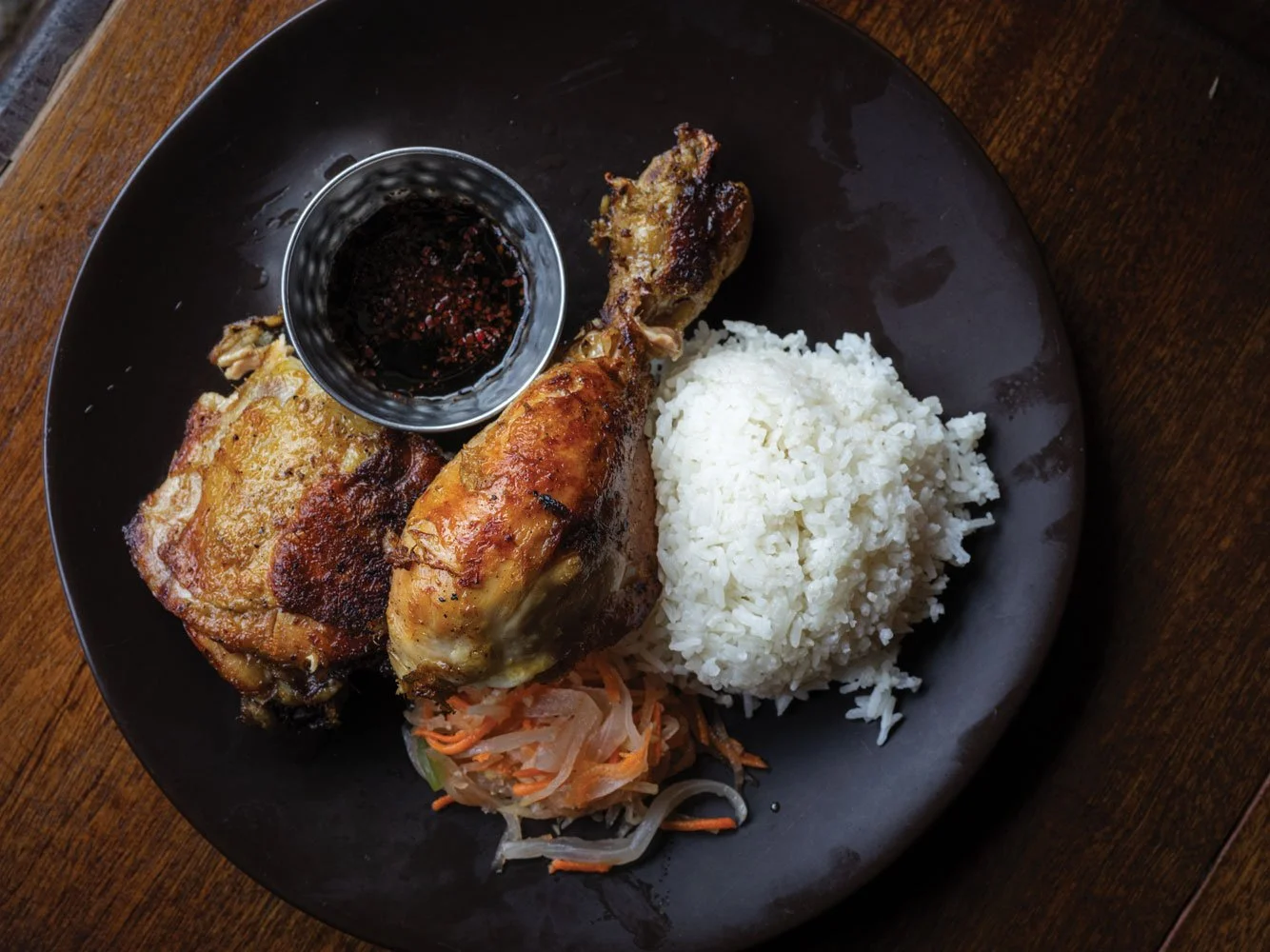
KAYU
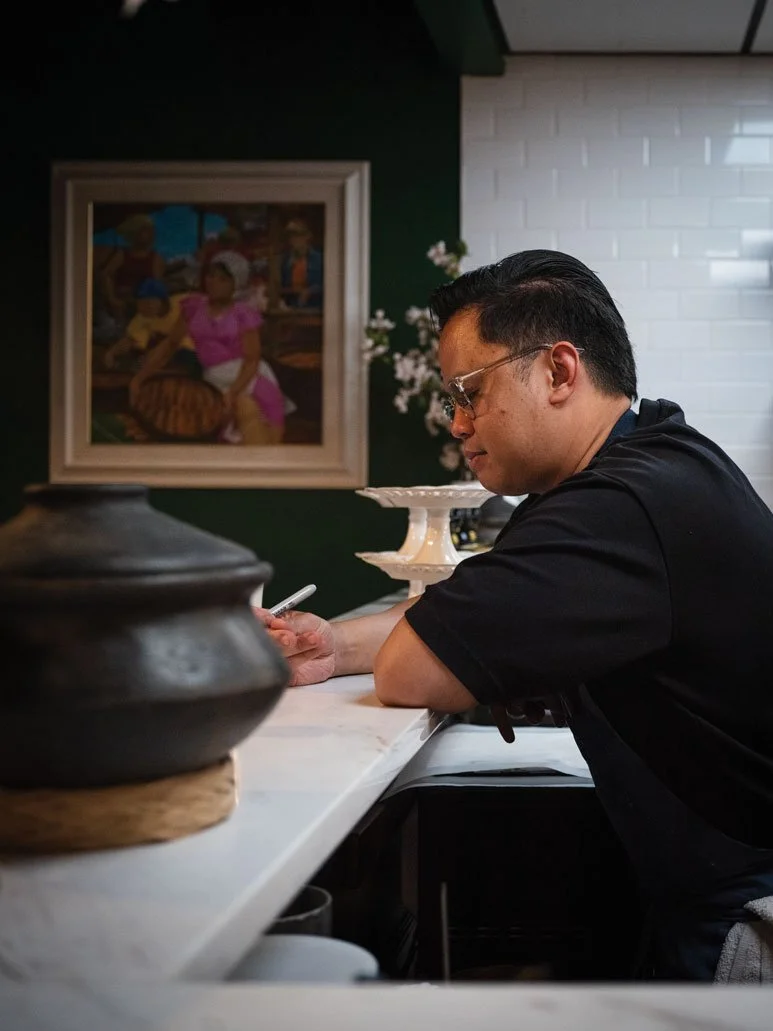
The Chef behind
MEET PAOLO DUNGCA
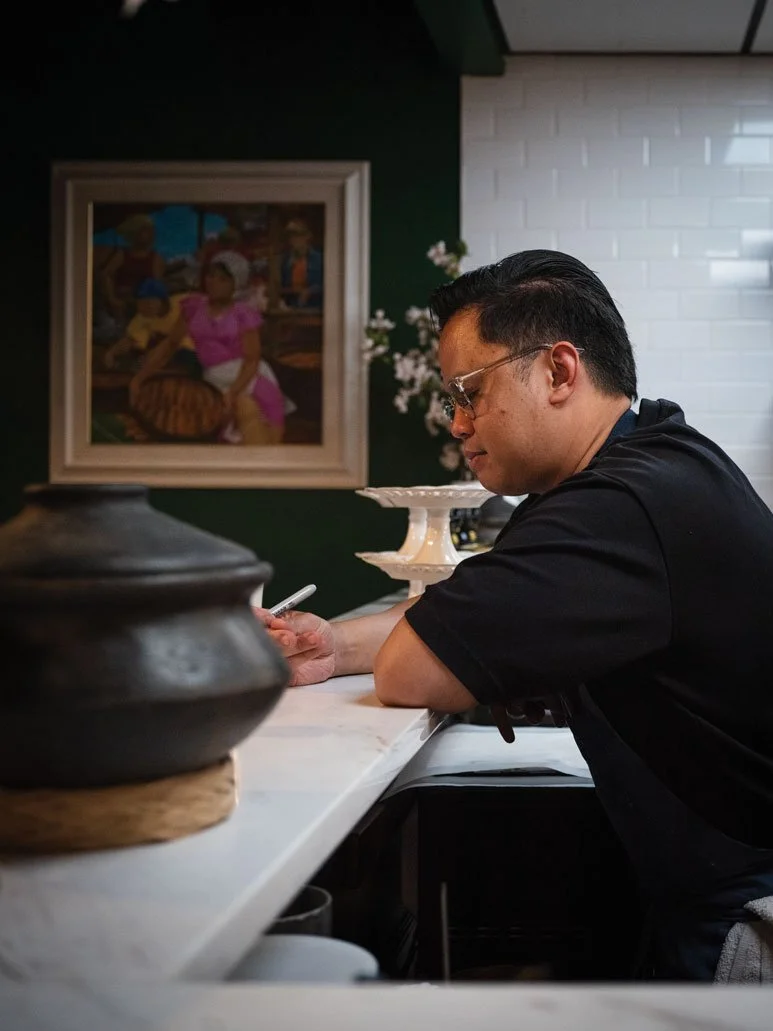
PAOLO
DUNGCA
He | Him | His
FAMILY ORIGIN | Pampanga
EDUCATION | Art Institute - College Of Culinary Arts
AWARDS + ACCOLADES
2025 James BEARD Emerging
Chef Semi-finalist, 2025 Rammy’s Rising Culinary
Star Finalist, 2024-2025 Rammy’s Best New
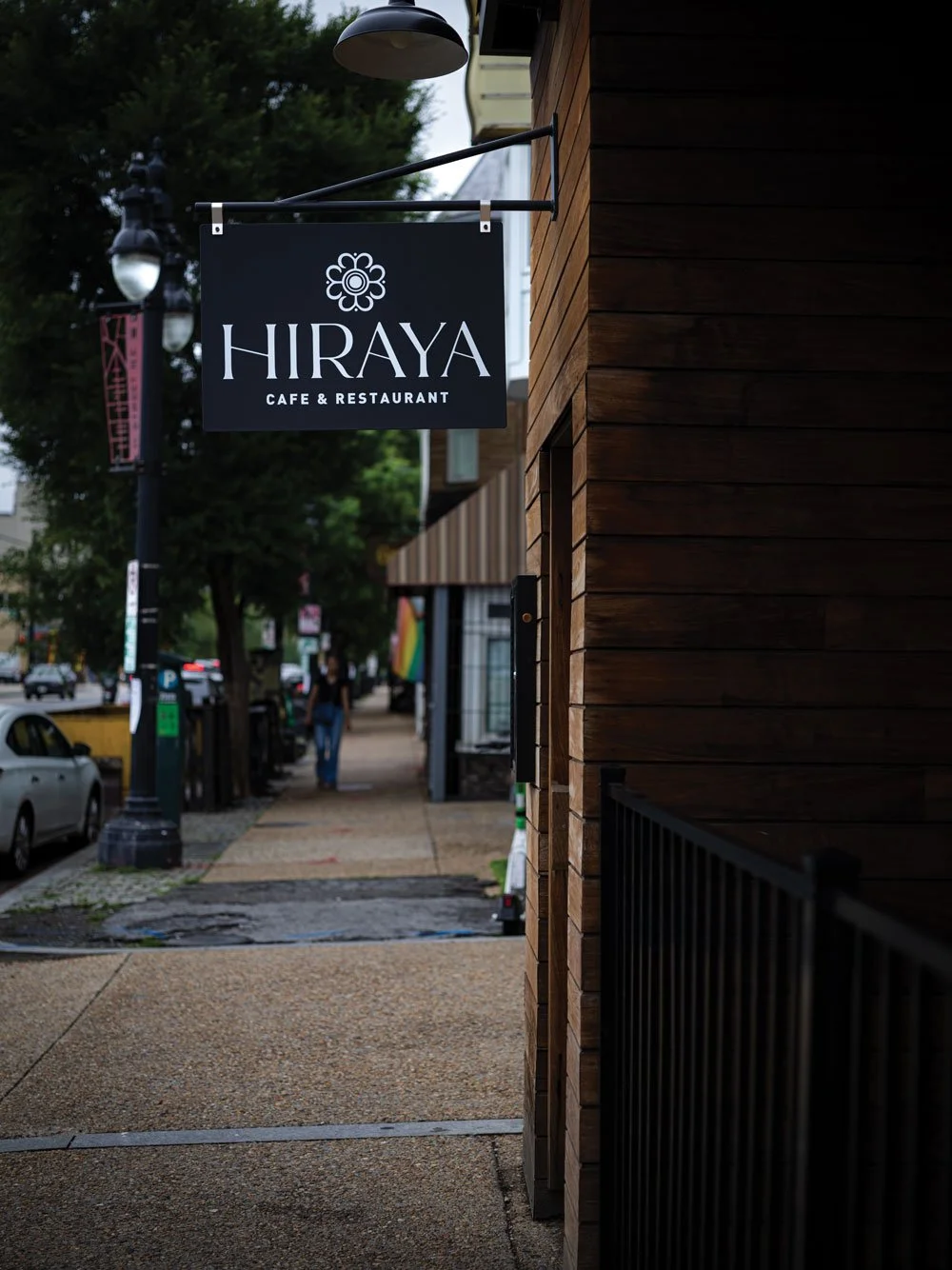
Restaurant (Hiraya & Kayu), 2022 Star Chef’s
Rising Star - Mid Atlantic, 2022 Cover of Food
And Wine Magazine, 2020 DC Central Kitchen
Capital Food Fight Winner
Being Filipino in a multicultural country like America means carrying the weight and warmth of generations before me. It’s pride in our resilience, our hospitality, and the deep sense of community that lives in every kamayan, every mano po, and every story told over a shared meal.
In a place as diverse as America, being Filipino means both honoring my roots and bridging cultures. Showing up with pakikisama (togetherness), bayanihan (communal unity), and joy, even in struggle. It’s recognizing that our food, our language, our faith, and our family values don’t just make us different—they make us valuable in the bigger American story.
It’s not always easy to be seen. But I’ve learned that being Filipino is not about shrinking to fit in. It’s about standing tall in who we are and making space at the table for others to know and celebrate us too.
I don’t think the Filipino voice is heard enough in American media, politics, or education, at least not in proportion to the size, contributions, and history of the community here. Filipinos are one of the largest Asian American populations, yet we’re often underrepresented or misrepresented. Our stories tend to be overlooked, and when we do show up, it’s usually in the background as nurses, caregivers, side characters, but rarely as leads, authors, or decision makers.
In education, the rich history of the Philippines and the deep impact of Filipino Americans, especially in labor movements, the military, and healthcare, is rarely taught. In politics, we still have so few visible leaders advocating at the national level. And in media, while there’s been progress, there’s still a long way to go when it comes to nuanced, authentic Filipino representation that is not flattened into stereotypes.
That said, I see the tide slowly turning. More Filipino creatives, activists, educators, and public servants are stepping into the spotlight. And with every voice that rises, we make it easier for the next generation to be seen and heard.
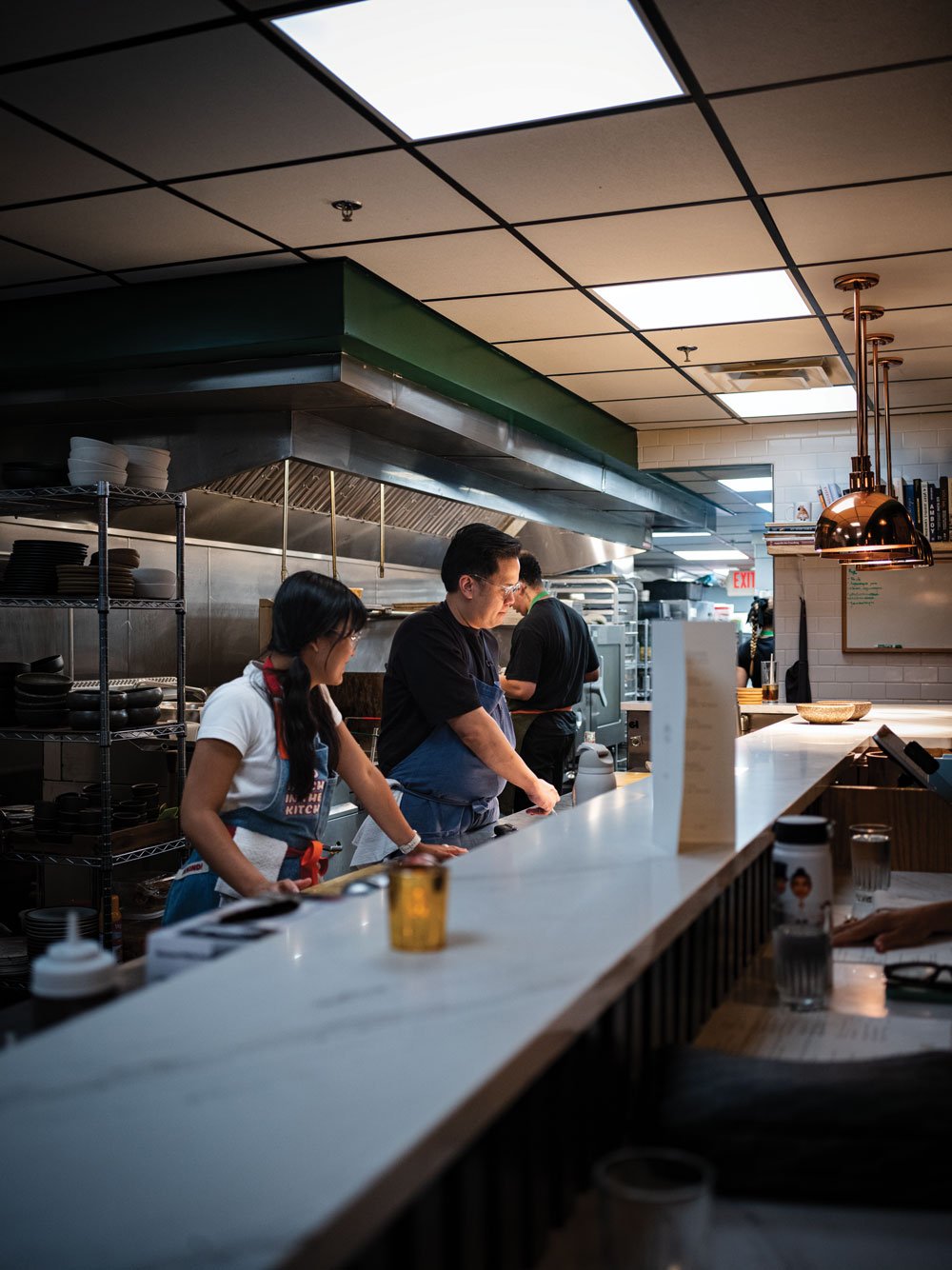
KAYU
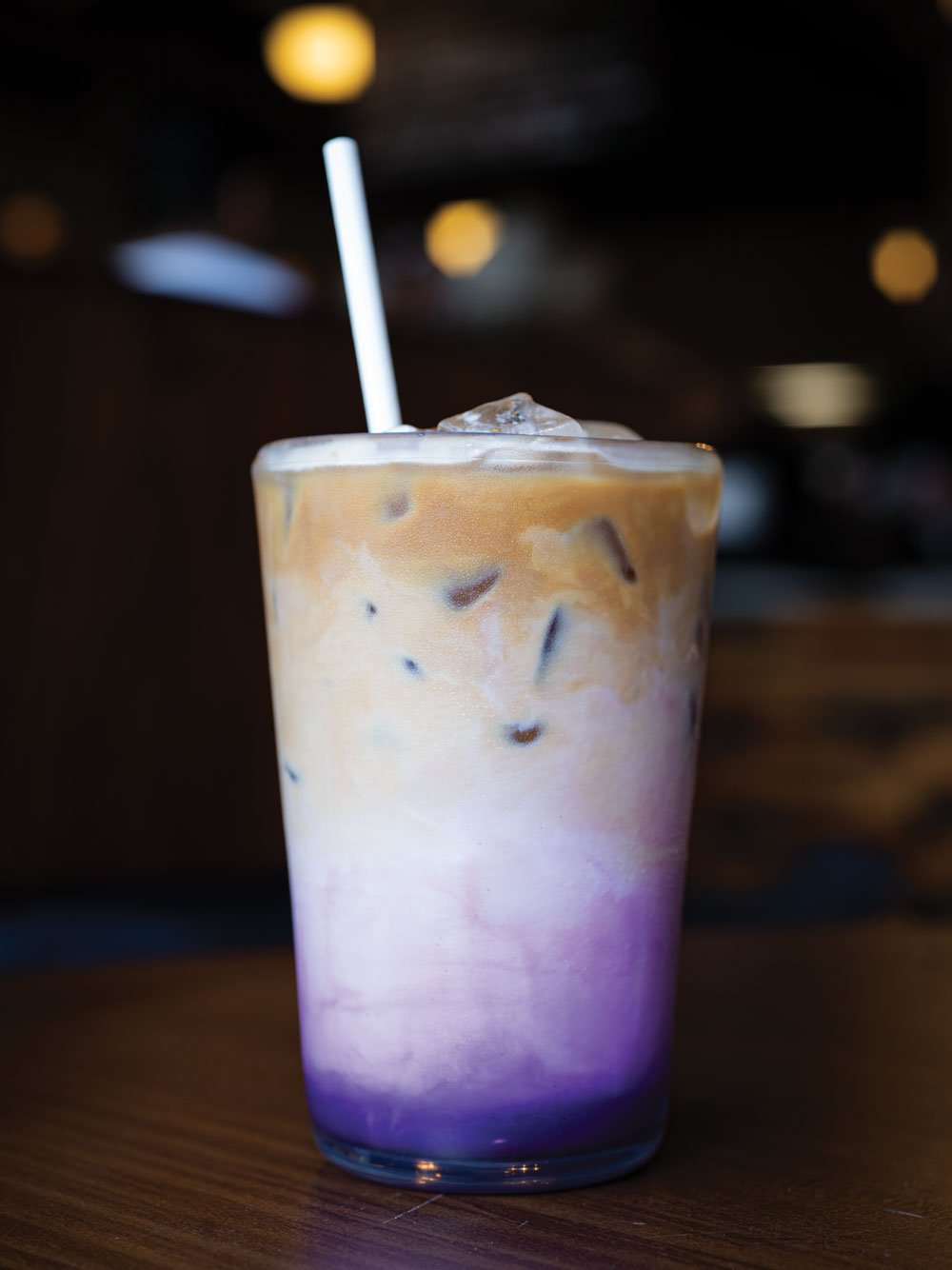
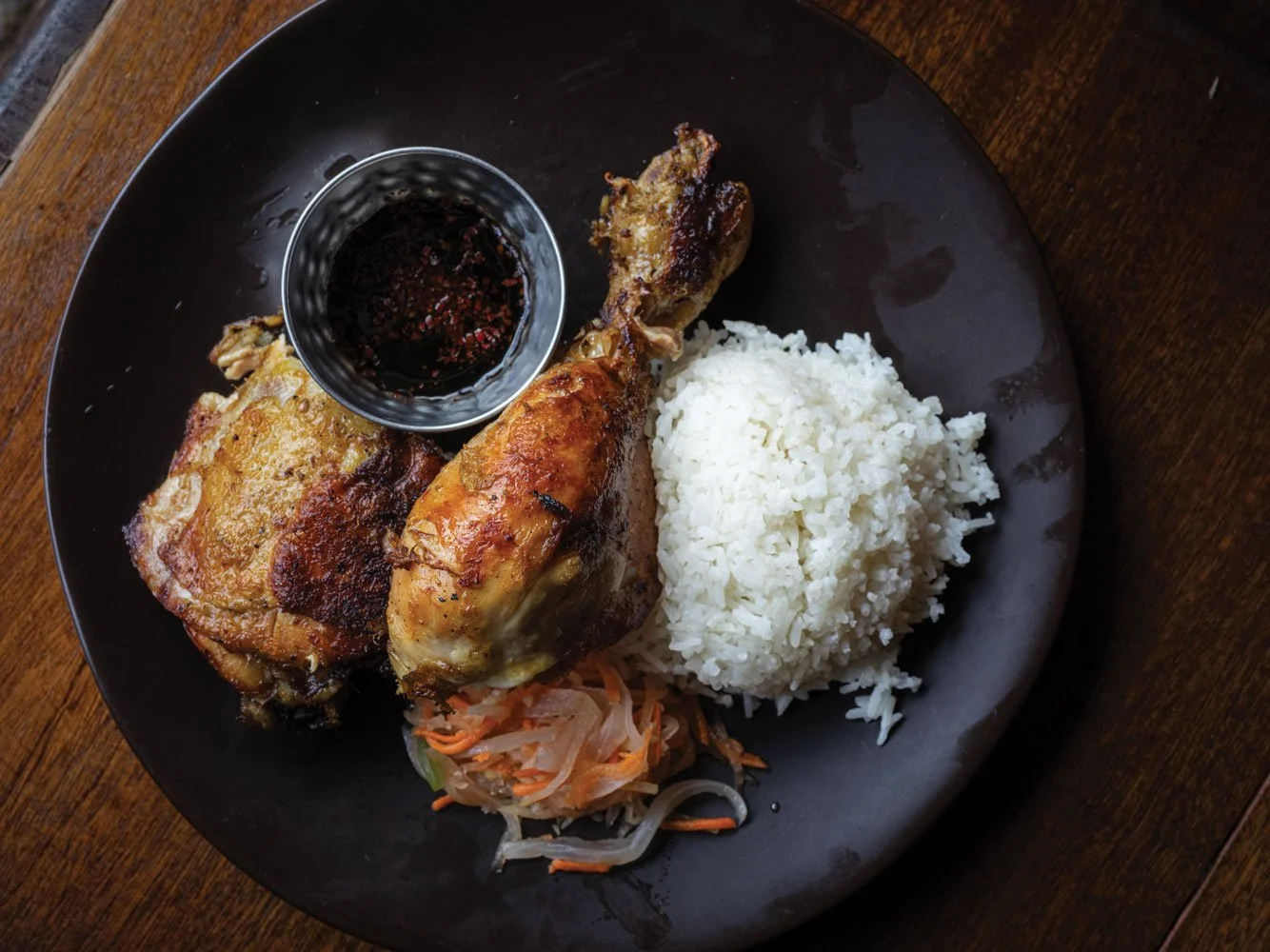
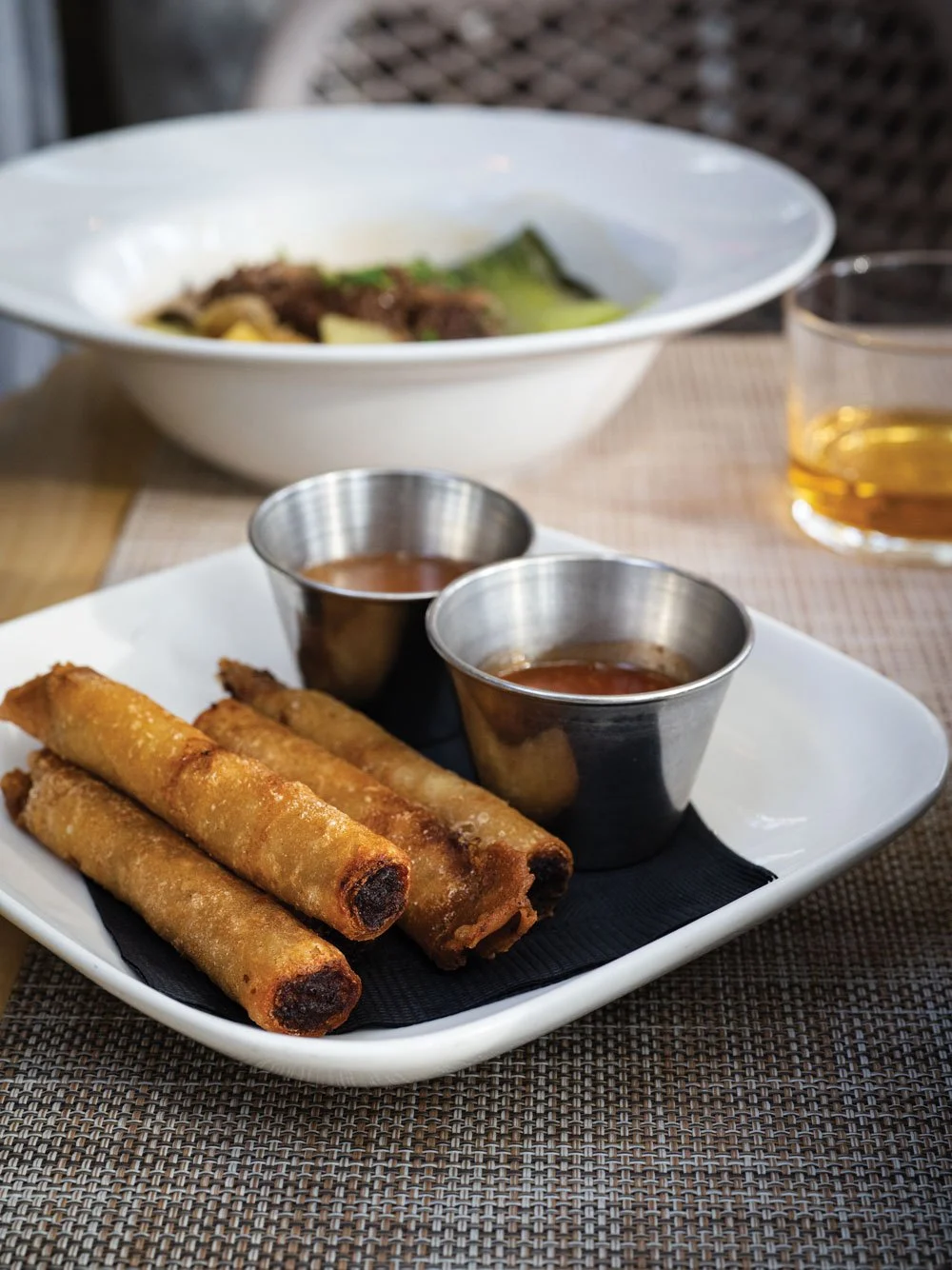
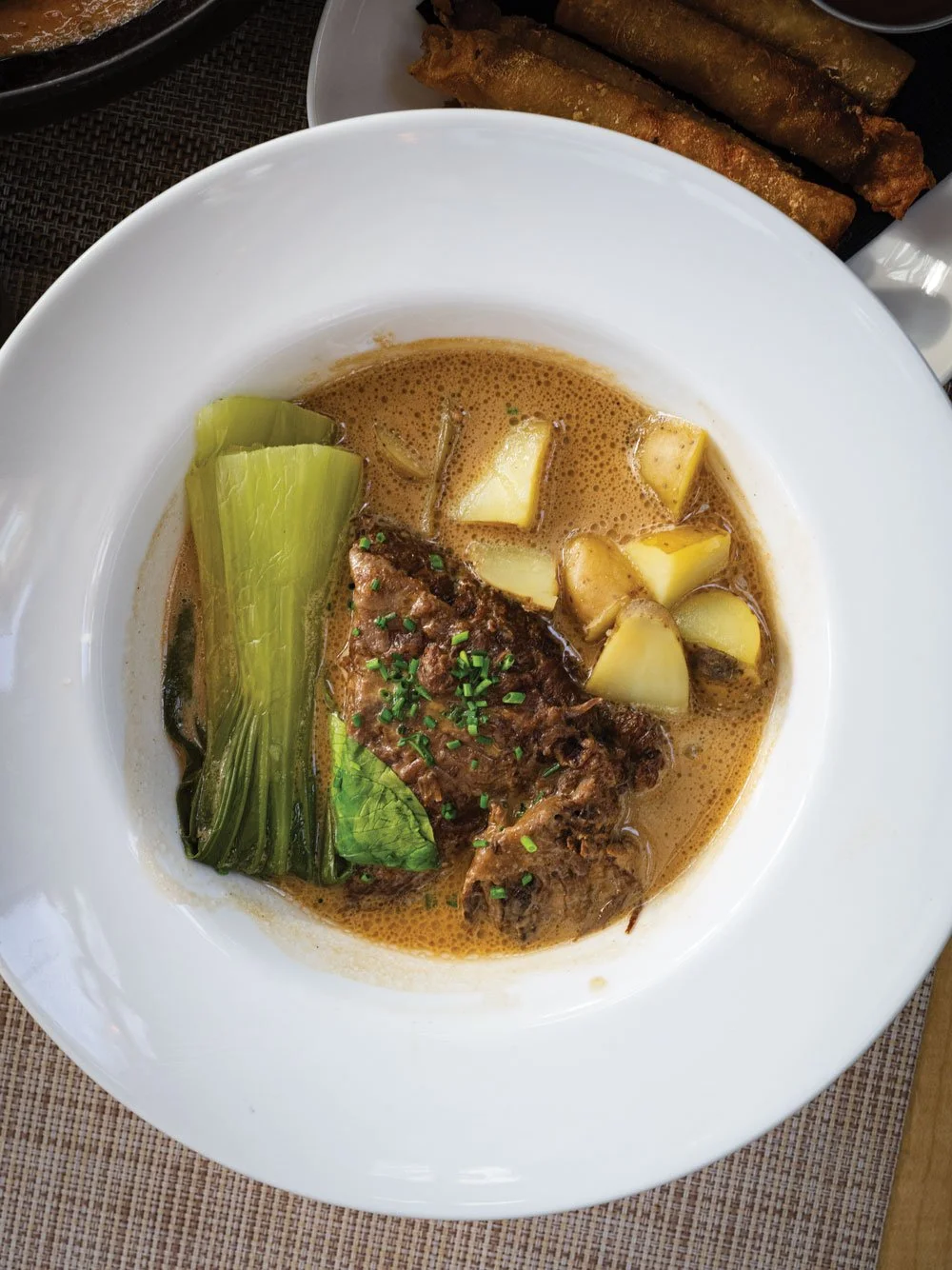
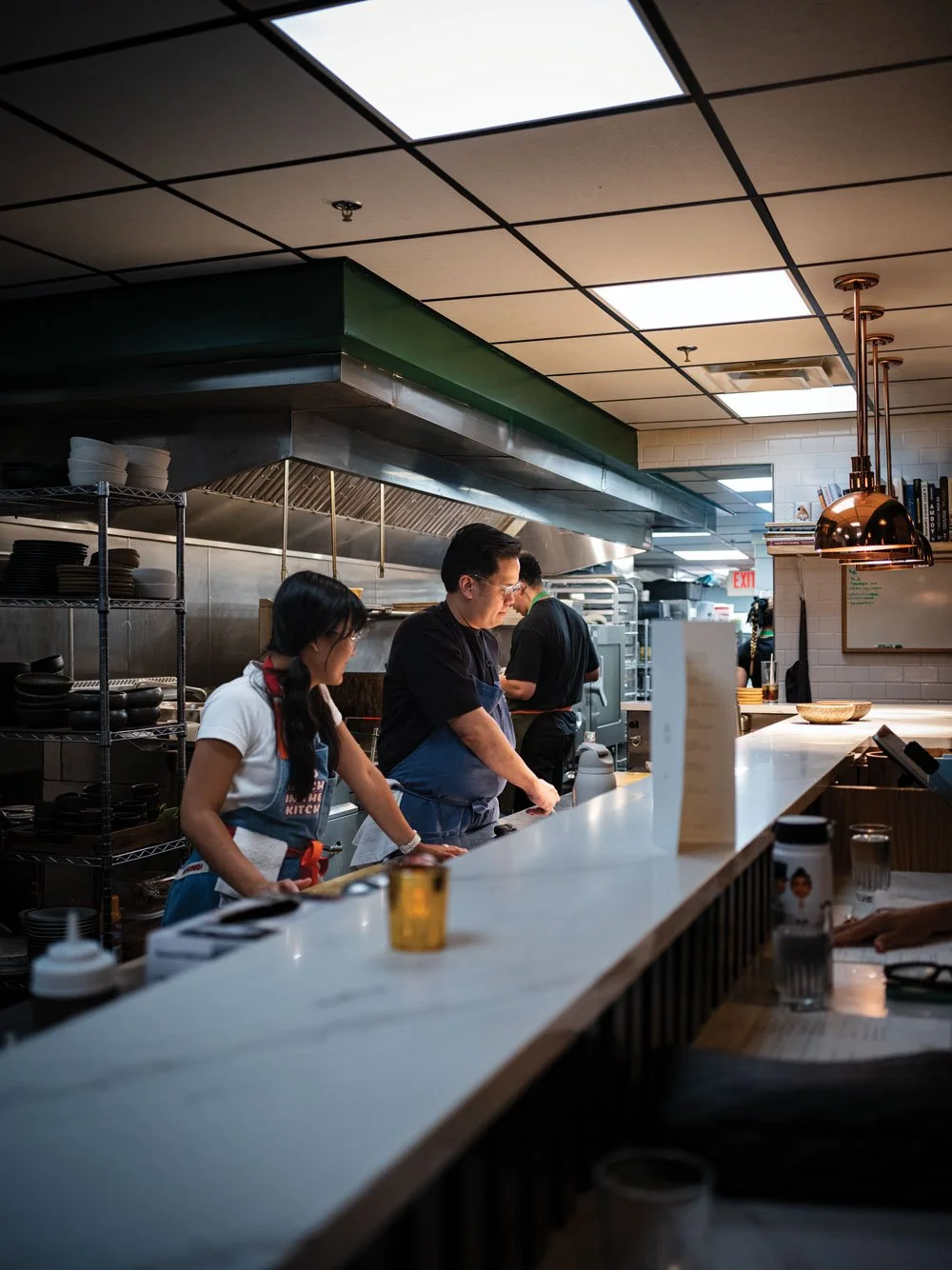
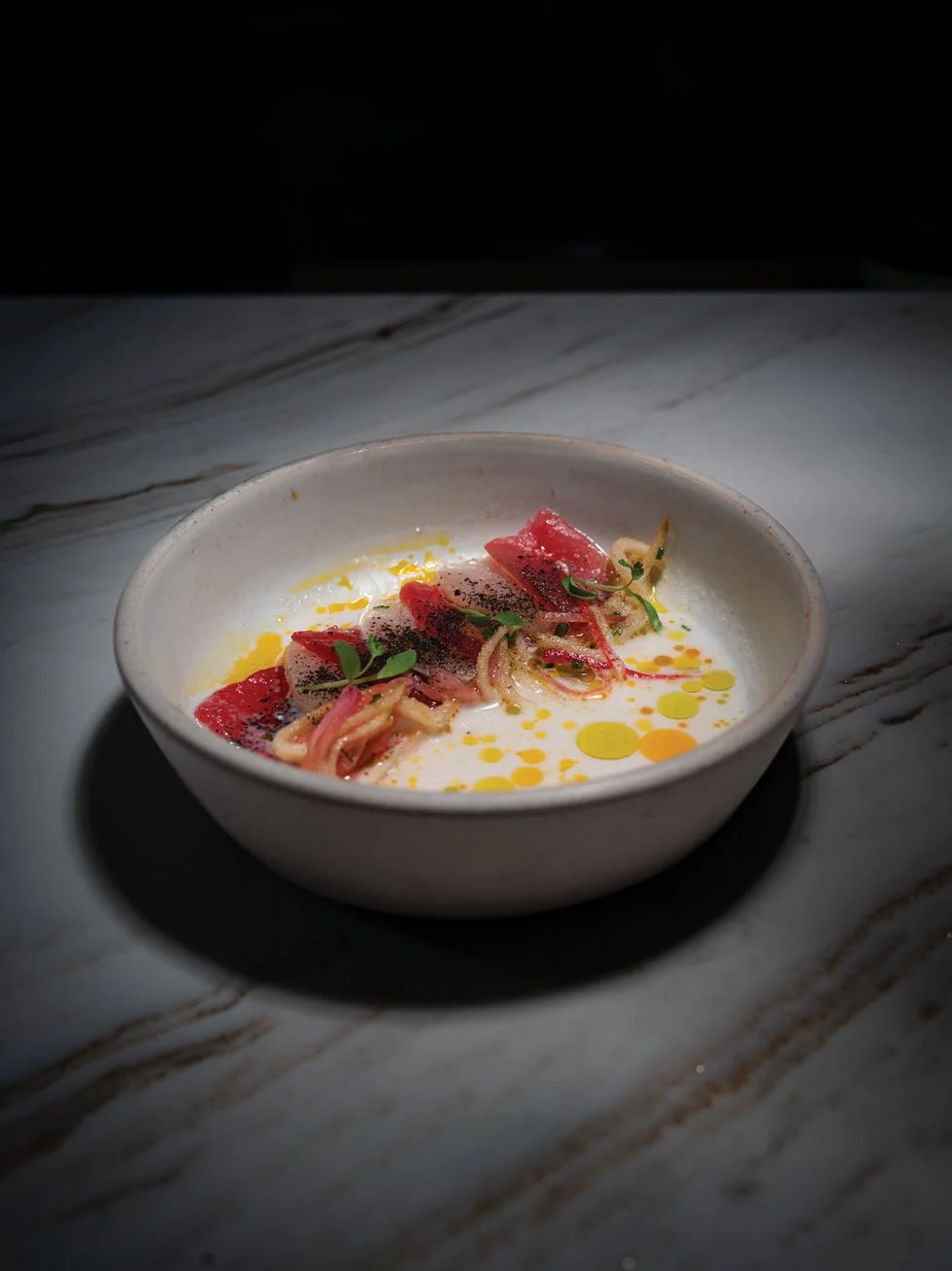
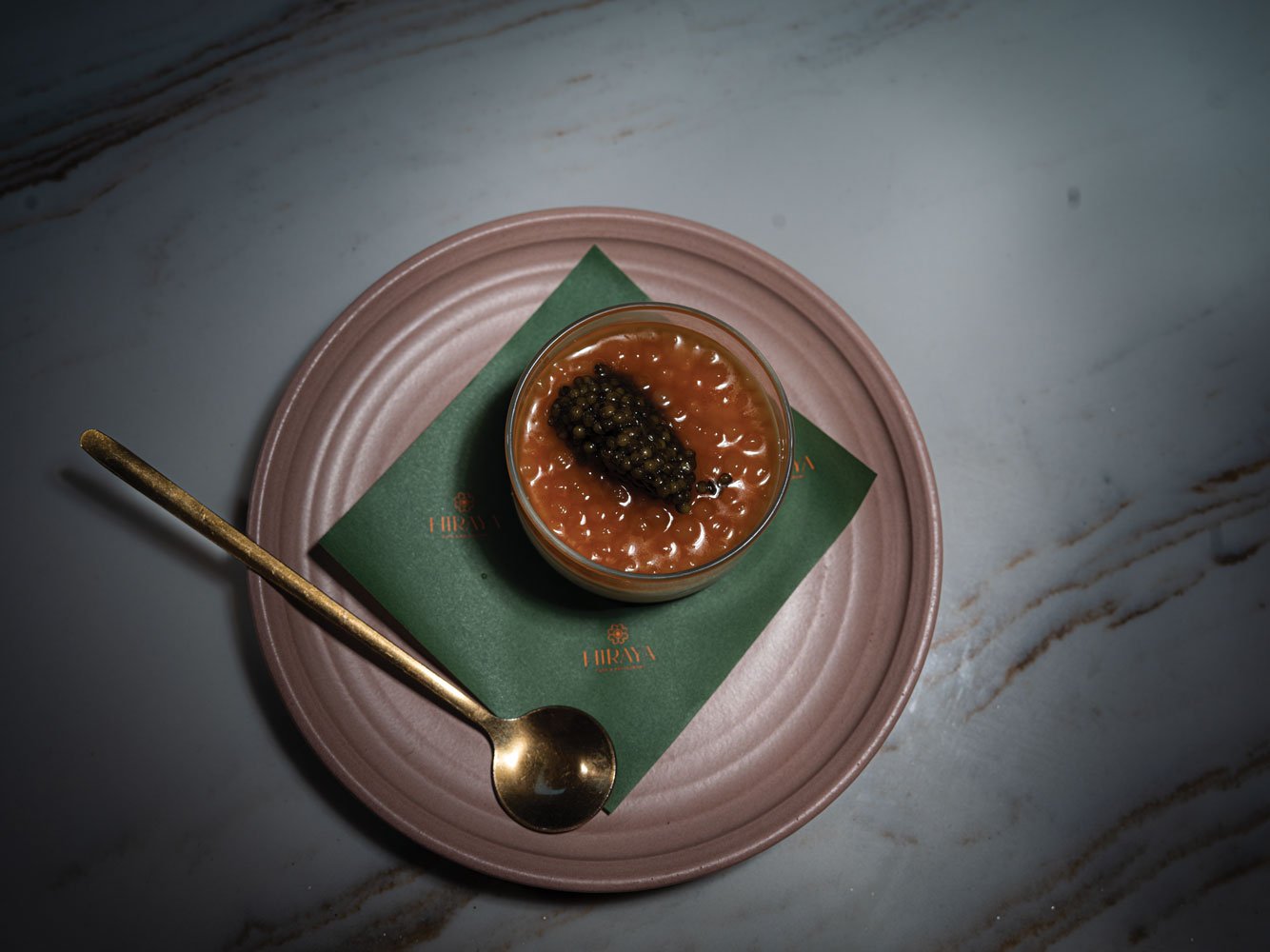
is a vibrant culinary destination inspired by the rich heritage of the Philippines. Named after the Filipino word "kayumanggi," meaning "brown" and often used to describe the beautiful, sun-kissed skin of the Filipino people, KAYU celebrates the warmth and depth of Filipino culture through its diverse menu. Savor traditional dishes crafted with locally sourced ingredients, blending timeless flavors with modern culinary techniques.
[Excerpt taken from hirayadc.com/kayu]
My mission is to honor and elevate Filipino culture through food, storytelling, and hospitality. As a Filipino chef, I strive to preserve our traditions while reimagining them for a new generation. Every dish I create is a reflection of our history, our struggles, and our spirit. I want to build spaces where people feel seen, nourished, and connected, and where the richness of Filipino cuisine can take its rightful place on the global stage.
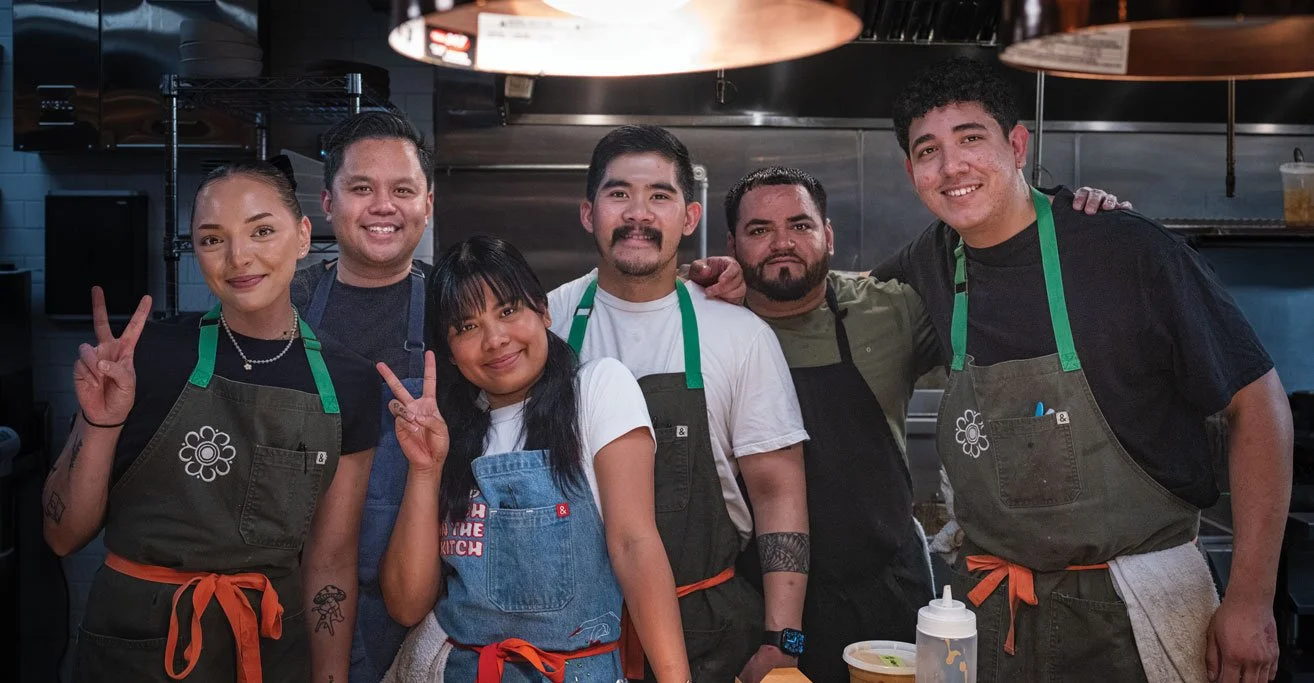
What inspires me is the opportunity to uplift my community and push our heritage forward. There is something powerful about honoring where we come from while creating space for where we are going. Whether it is through food, storytelling, or simply showing up with pride in who we are, I am inspired by the chance to represent Filipino culture in meaningful ways and to help others see its beauty, strength, and soul.