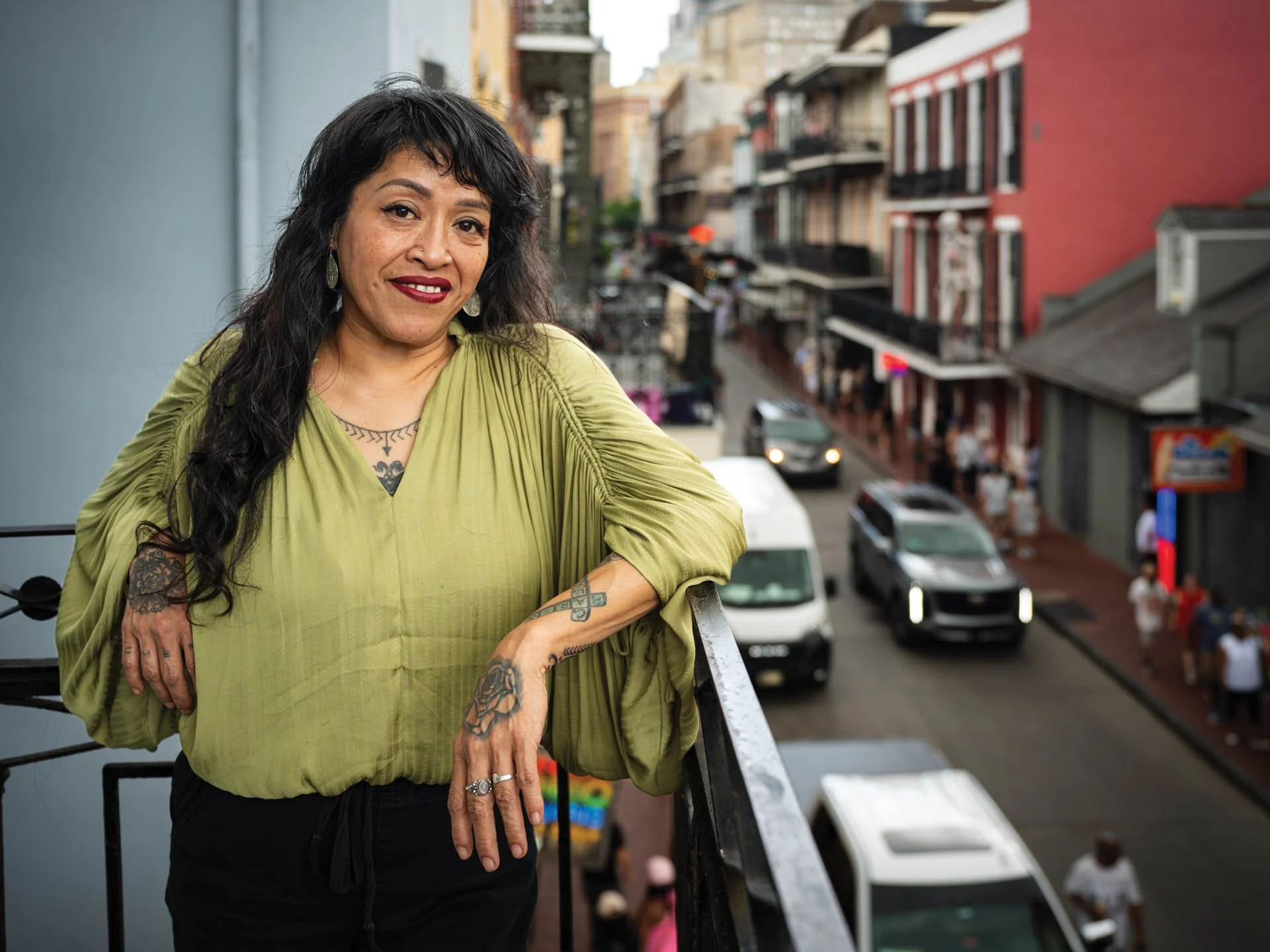
CRISTINA QUACKENBUSH
COMMUNITY SESSIONS
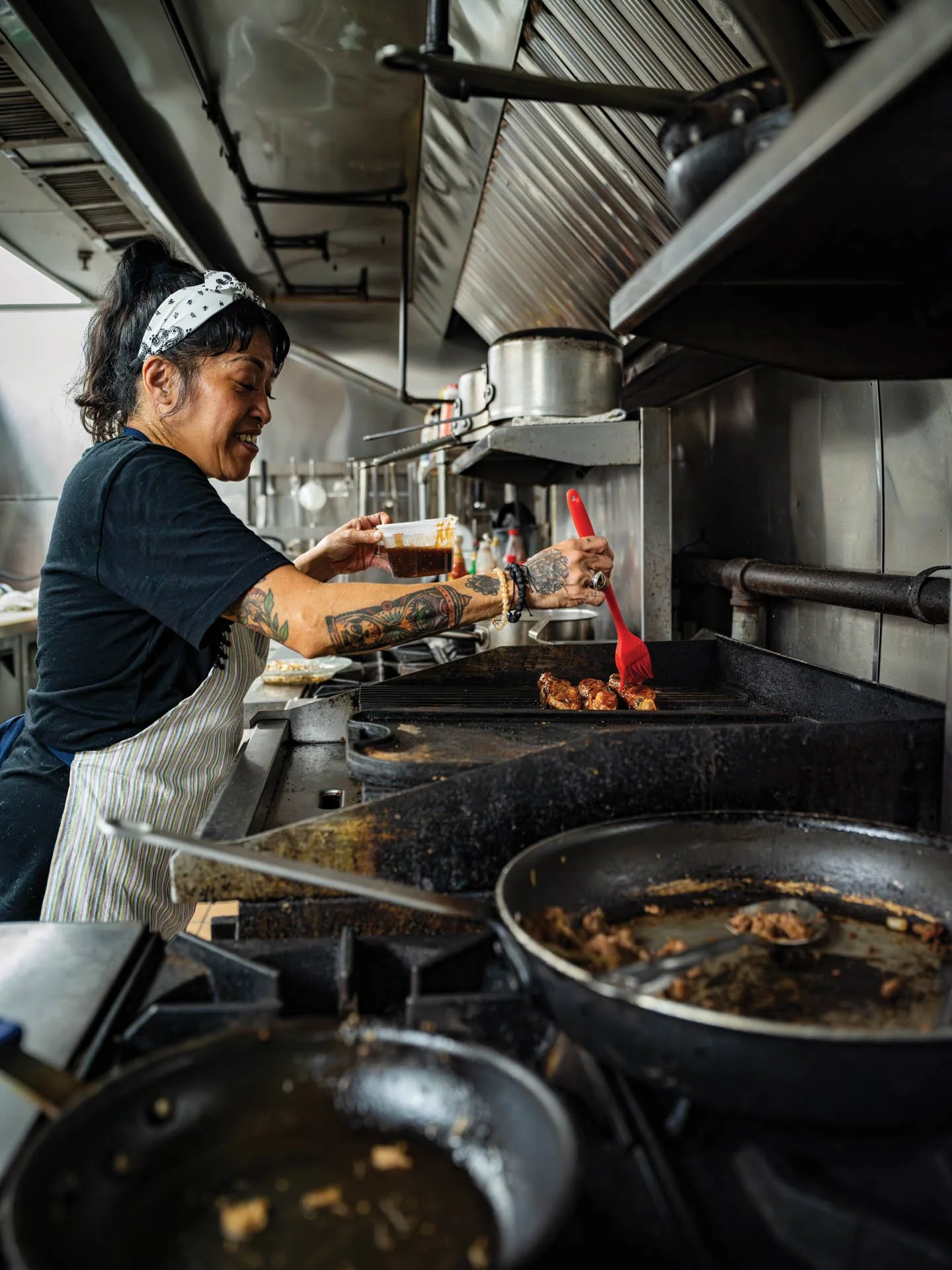
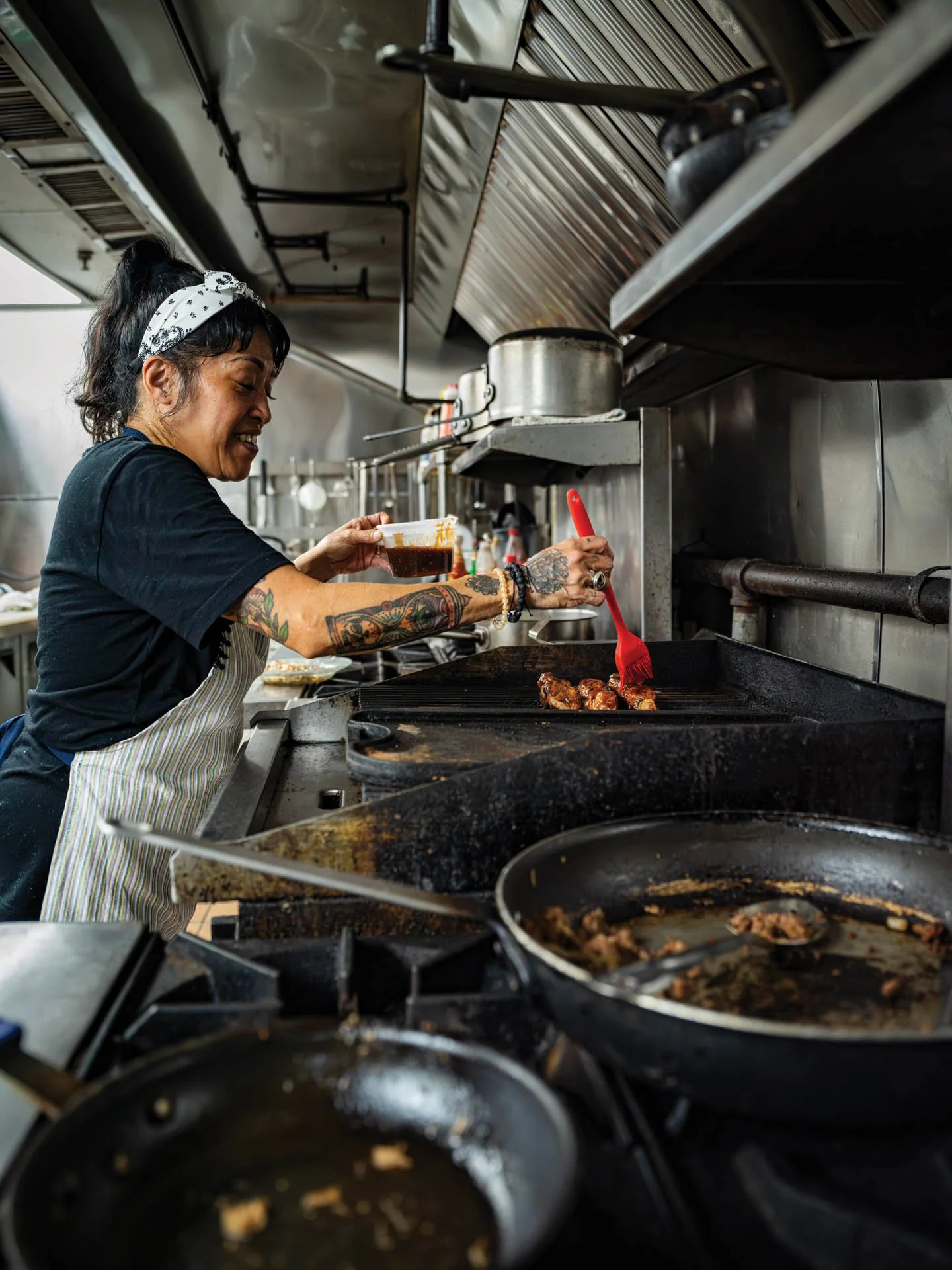
Chef/Owner of Milkfish Catering & Tatlo
she/her/
FAMILY ORIGIN | Luzon, Visayan
Southeast Asian Restaurant of the year
New Orleans magazine 2014 Milkfish
Top 9 bars in America
Bon Apetit magazine 2025 Tatlo
Leading from the heart Award-2022
Les Dames de Escoffier
CHRISTINA
QUACKENBUSH
The Filipino community in New Orleans is unique because our story is deeply woven into the history of Louisiana itself. Long before many people realize Filipinos were part of the American story, the Manila Men had already established communities in the Louisiana bayous. That legacy gives our community a profound sense of belonging and reminds us that we have been contributing to this region for generations.
New Orleans is also a city that understands the importance of preserving culture. Here, food, music, family, and tradition are celebrated every day. As Filipinos, those same values are at the heart of who we are, so there is a natural connection between our cultures. You can see it in our hospitality, our love of gathering around the table, and our belief that every celebration is an opportunity to bring people together.
What makes our Filipino community especially meaningful to me is how we continue to honor our roots while embracing the spirit of New Orleans. We don’t simply preserve traditions, we allow them to grow alongside the city we call home. That exchange has created something uniquely our own, where Filipino heritage and New Orleans culture enrich one another without losing their individual identities.
I hope more people come to recognize that the Filipino story isn’t a recent chapter in Louisiana’s history, it’s part of its foundation. I’m proud to be one of many people helping share that story, ensuring future generations understand that our culture has always had a place here and will continue to shape the future.
Staying connected to my Filipino roots means actively preserving and sharing our history. I believe our heritage only remains alive if we continue to tell the stories of those who came before us.
One of the ways I do that is through my involvement with Bayou Barkada and the Philippine American Women of Action in Louisiana (PAWAL). Together, we help introduce visitors and our own community to the rich Filipino history of Louisiana. We take turns leading tours through historic Filipino neighborhoods, visiting historical markers, and sharing the stories that many people have never had the opportunity to hear.
One of the most meaningful experiences is traveling by boat to the site of Manila Village. Although much of that history now lies beneath the water, we continue to make the journey to pay our respects to the Manila Men who built lives there centuries ago. Standing where they once stood is a powerful reminder that our history isn’t just something to read about…it’s something to honor, protect, and pass on.
For me, staying connected to my Filipino roots is about more than remembering the past. It is about making sure future generations understand that Filipinos have always been part of Louisiana’s story. Every tour we give, every story we tell, and every person we introduce to this history helps ensure that their legacy continues to live on.
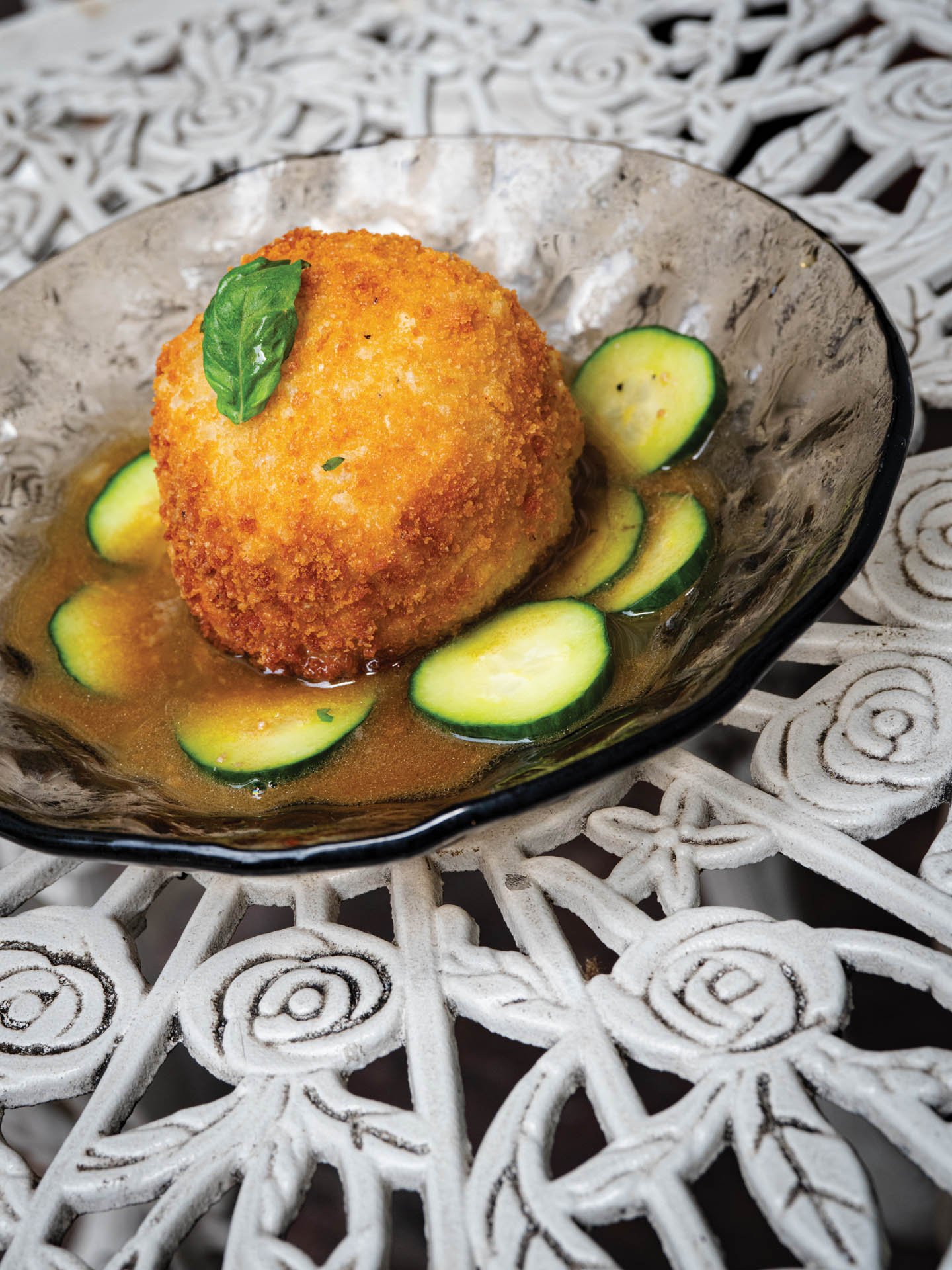
What I admire most is our ability to honor where we came from while embracing where we are. We have preserved our Filipino identity while becoming an important part of the cultural fabric of New Orleans. Rather than losing our traditions, we’ve found meaningful ways to share them, creating connections with people from every background.
To me, the Filipino community in New Orleans is defined by generosity, resilience, and a deep sense of belonging. We carry our history with pride, but we’re equally focused on building a future where our culture continues to thrive and where everyone who sits at our table feels welcome.
BEING FILIPINO IN NEW ORLEANS
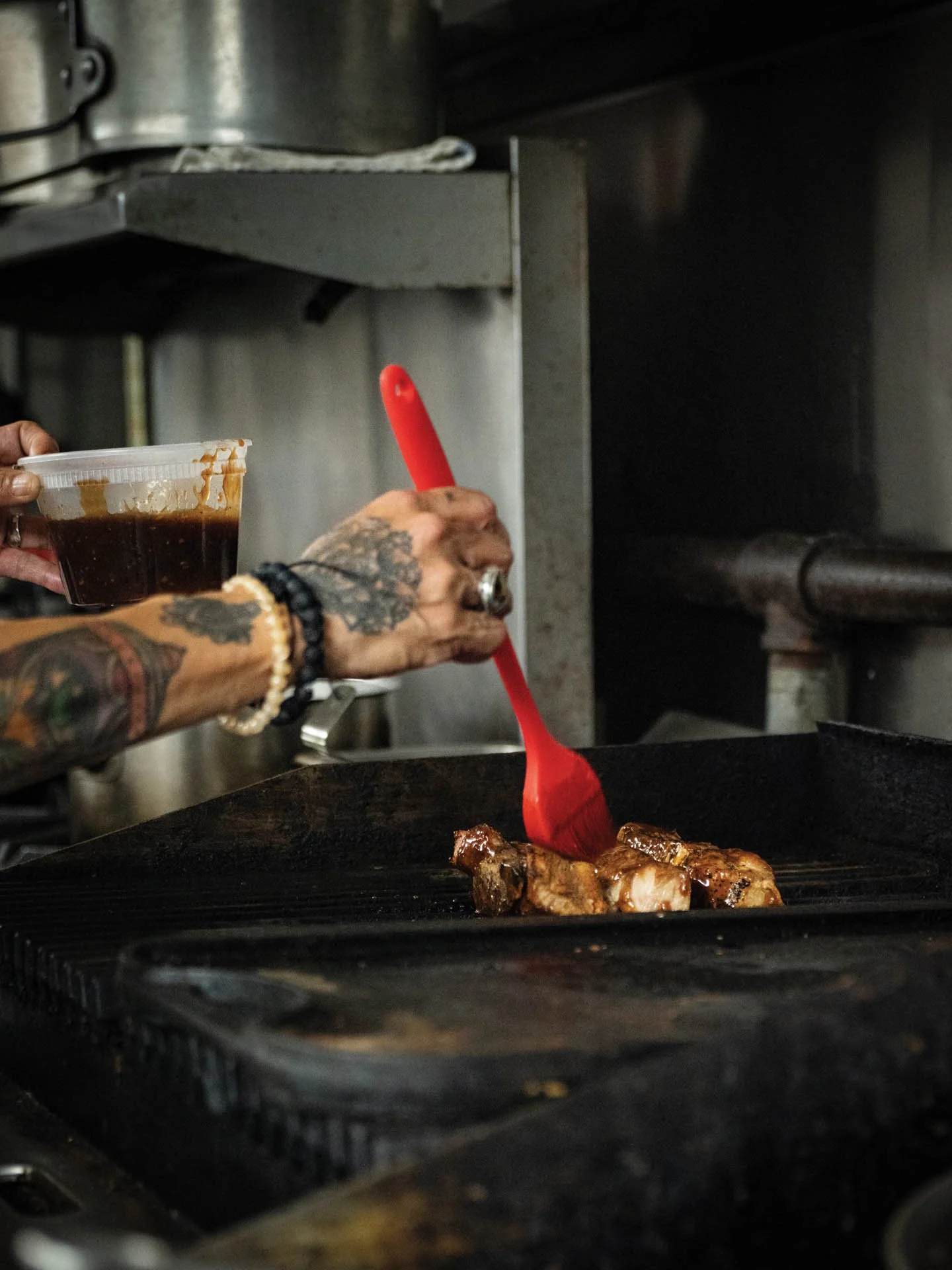
Being Filipino is the foundation of who I am. It is where I learned resilience, generosity, hospitality, and the belief that food is one of the purest expressions of love. My grandmother, who taught me to respect every ingredient, from planting a seed to preserving the harvest. She showed me that cooking isn’t just about feeding people; it’s about caring for them, honoring those who came before us, and creating community around the table. Those lessons have shaped every kitchen I’ve worked in and every restaurant I’ve built.
Living in America, especially in New Orleans, has deepened my appreciation for my heritage. This city understands culture. It understands that food carries history, and that every dish tells the story of the people who made it.
For me, being Filipino in America means celebrating where I came from while embracing the incredible diversity around me. It means sharing our traditions with pride and inviting others to experience them too—not as something foreign, but as something that belongs at the American table alongside every other culture that has helped shape this country.
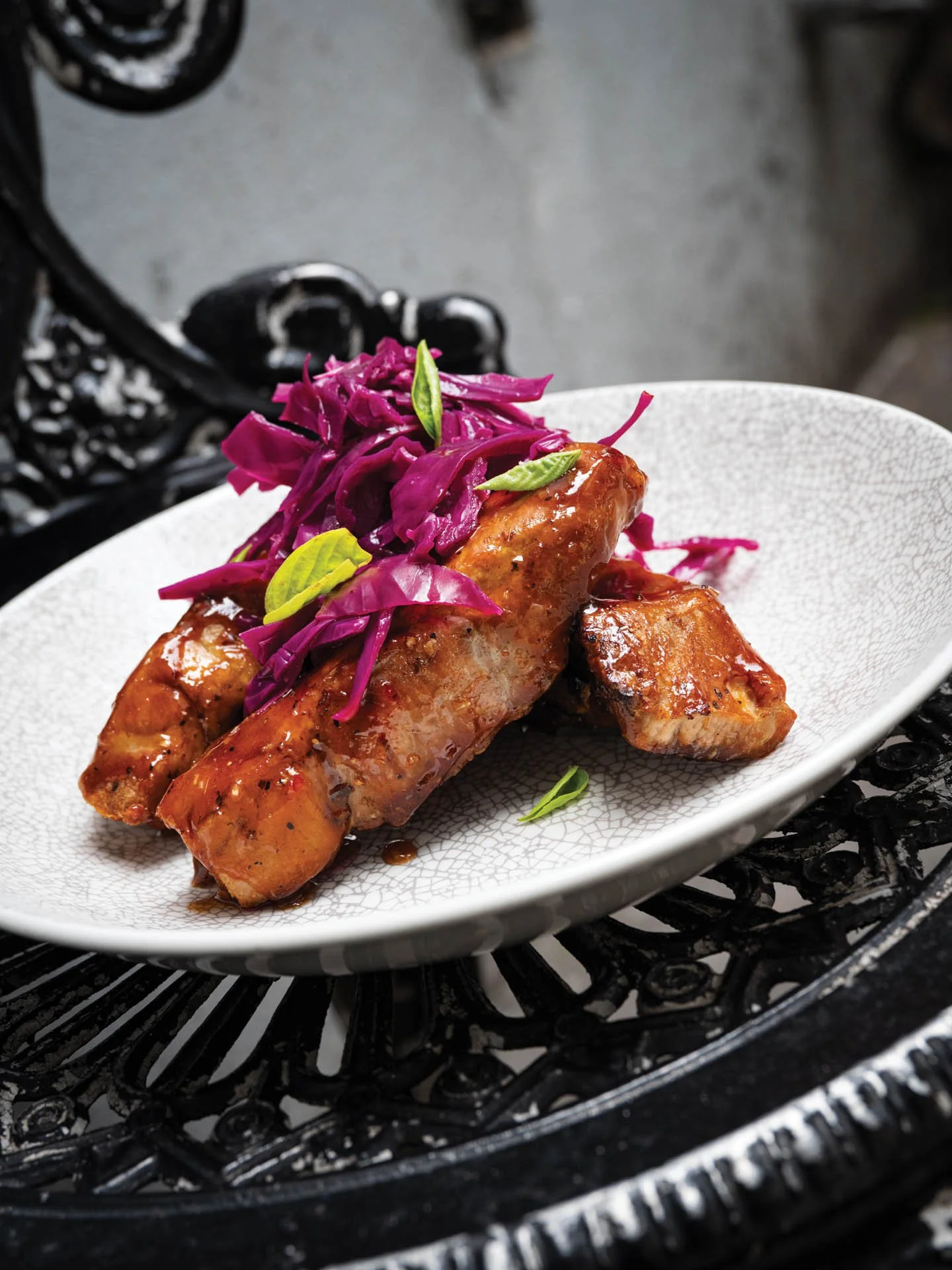
Food has always been my love language. Through it, I get to tell the story of where I come from, honor the people who came before me, and help shape the story of where Filipino cuisine is going next.
Being Filipino isn’t something I think about only in the kitchen, it’s simply how I live. Family is at the center of everything I do. As a mother of five and a Lola to seven grandchildren, I want them to grow up knowing where they come from and feeling proud of their heritage. Whether we’re gathered around the table, telling stories, celebrating milestones, or simply spending time together, those moments are how our culture is passed from one generation to the next.
I also carry Filipino values into the way I treat people every day. Hospitality comes naturally to me. I want everyone who enters my life to feel welcomed, cared for, and seen. Respect for elders, generosity toward neighbors, and showing up for my community whenever possible.
Living in New Orleans has given me the opportunity to celebrate both my Filipino roots and the rich cultural traditions of this city. I love sharing our history, participating in community events, and helping others discover that Filipino culture has long been part of Louisiana’s story.
For me, being Filipino is more about a way of moving through the world, with resilience and gratitude for my ancestry.
LEAD WITH LOVE, SERVE WITH PURPOSE, LEAVE A LEGACY.